


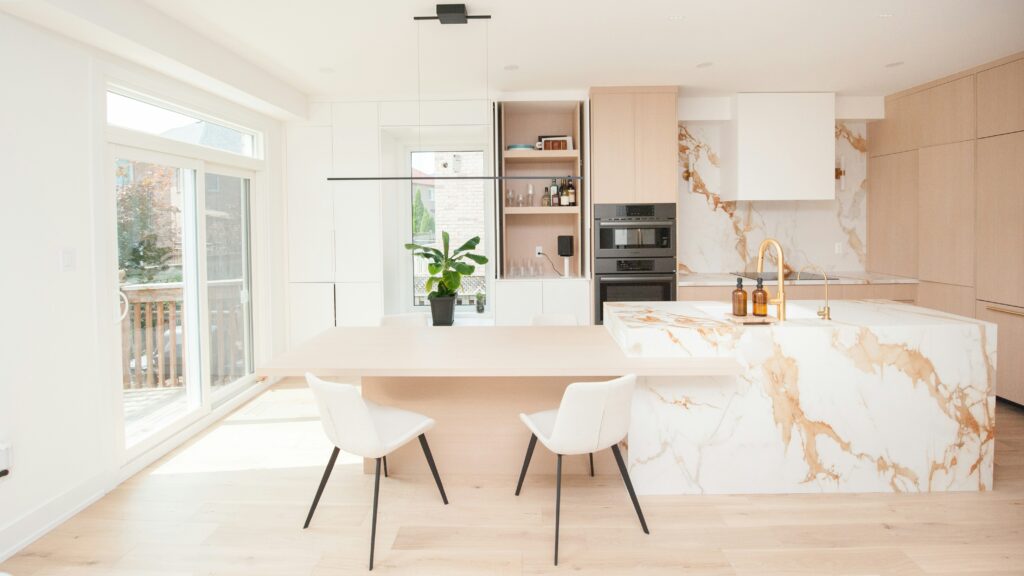
Creating a functional and efficient living space is a goal for many homeowners. A well-designed home not only improves your daily life but can also enhance the value of your property. Whether you are dealing with a small apartment or a spacious house, optimizing your space is essential for comfort, convenience, and aesthetics. This guide provides practical, professional, and innovative home improvement tips that can help you transform your living areas into highly functional spaces.
Understanding Functional Space
A functional space is one that is not only visually appealing but also serves the practical needs of its users. It allows for smooth movement, efficient storage, and effective use of every corner. Functional spaces reduce clutter, enhance productivity, and create an environment that supports daily routines. Understanding your family’s needs, lifestyle habits, and preferences is the first step toward designing a functional home.
Key Principles of Functional Design:
- Maximized Storage: Every room should have adequate storage to prevent clutter.
- Flow and Accessibility: Furniture and decor should allow easy movement.
- Multi-purpose Areas: Rooms should serve multiple functions where possible.
- Lighting and Ventilation: Adequate natural and artificial lighting enhances usability.
- Ergonomic Considerations: Comfortable and practical furniture improves daily living.
Assessing Your Current Space
Before making any improvements, conduct a thorough assessment of your home. Identify areas that feel cramped, underutilized, or inefficient. Consider the following:
- Traffic Flow: Observe how people move through the rooms. Are there obstacles or bottlenecks?
- Storage Needs: Evaluate closets, cabinets, and shelving. Are they sufficient?
- Lighting Conditions: Identify dark areas that require better illumination.
- Functional Zones: Determine if the current layout supports your daily activities.
- Maintenance Challenges: Spot areas that are difficult to clean or maintain.
A clear understanding of your space’s shortcomings will help prioritize the improvements that provide the greatest functional benefit.
Declutter and Organize
One of the simplest ways to create a more functional home is by decluttering. Clutter can make even a large space feel cramped and chaotic. Implementing an organization system improves efficiency and makes rooms more enjoyable to live in.
Effective Decluttering Tips:
- Sort and Categorize: Separate items into keep, donate, or discard piles.
- Use Storage Solutions: Invest in shelves, bins, and cabinets to keep items organized.
- Regular Maintenance: Set a schedule to periodically declutter and reorganize.
- Maximize Vertical Space: Use wall-mounted shelves to free up floor space.
- Hidden Storage: Consider furniture with built-in storage, such as ottomans or beds with drawers.
Decluttering not only creates space but also provides a clear canvas for functional design.
Optimize Room Layout
A room’s layout significantly impacts its functionality. Poor placement of furniture can obstruct movement and reduce usability. Careful planning ensures that every piece of furniture serves a purpose without overcrowding the space.
Layout Optimization Tips:
- Zoning: Designate areas for specific activities, such as reading, working, or dining.
- Open Concept: Consider removing unnecessary partitions to improve flow and light.
- Furniture Placement: Keep frequently used items within easy reach.
- Flexibility: Use modular or movable furniture to adapt the space for different needs.
- Avoid Blocking Windows: Natural light improves both functionality and aesthetics.
By planning layouts thoughtfully, you can make spaces feel larger, more comfortable, and more practical.
Multi-functional Furniture
In small homes, multi-functional furniture is essential. These pieces serve multiple purposes, reducing clutter while increasing usability.
Examples of Multi-functional Furniture:
- Sofa Beds: Serve as seating during the day and sleeping space at night.
- Extendable Dining Tables: Adjustable for both small family meals and larger gatherings.
- Storage Ottomans: Provide seating while concealing storage.
- Foldable Desks or Wall-mounted Workstations: Ideal for compact workspaces.
- Murphy Beds: Free up floor space when not in use.
Investing in versatile furniture allows your home to adapt to changing needs without requiring extensive renovations.
Maximize Storage Solutions
Proper storage is crucial for functional living. Innovative storage solutions can transform small or cluttered spaces into organized, usable areas.
Smart Storage Ideas:
- Under-bed Storage: Utilize drawers or bins beneath beds.
- Built-in Cabinets: Custom cabinetry maximizes space and reduces clutter.
- Closet Organizers: Shelves, racks, and baskets can optimize closet space.
- Hooks and Racks: Wall-mounted solutions for coats, bags, and kitchen items.
- Hidden Compartments: Incorporate storage within staircases, benches, or other architectural features.
Smart storage not only improves functionality but also contributes to a cleaner, more visually appealing home.
Lighting for Functionality
Lighting plays a key role in both aesthetics and practicality. Poor lighting can make a space feel cramped and hinder daily activities.
Tips for Functional Lighting:
- Layered Lighting: Combine ambient, task, and accent lighting.
- Natural Light: Maximize windows and reflective surfaces.
- Task Lighting: Use focused lighting for work areas, kitchens, and reading nooks.
- Smart Controls: Consider dimmers and motion sensors for convenience and energy efficiency.
- Avoid Glare: Position lights to prevent harsh reflections or shadows.
Proper lighting enhances usability, mood, and safety in all areas of your home.
Functional Kitchen Design
The kitchen is often the heart of the home and requires careful attention to functionality. A well-organized kitchen makes cooking and entertaining easier.
Kitchen Improvement Tips:
- Work Triangle: Maintain a convenient layout between sink, stove, and refrigerator.
- Cabinet Organization: Use pull-out shelves, lazy Susans, and vertical dividers.
- Counter Space: Clear counters by using wall-mounted racks and storage solutions.
- Lighting: Install task lighting under cabinets for food preparation.
- Appliance Placement: Ensure frequently used appliances are accessible.
Efficient kitchen design improves daily routines and makes cooking a more enjoyable experience.
Bathroom Functionality
Bathrooms can be small and easily cluttered. Functional improvements create a relaxing and efficient space.
Bathroom Tips:
- Wall-mounted Storage: Frees floor space and keeps essentials within reach.
- Floating Vanities: Enhance the feeling of space while providing storage.
- Shower Niches: Built-in shelves reduce the need for additional racks.
- Proper Ventilation: Reduces moisture buildup and protects fixtures.
- Efficient Layout: Ensure enough clearance around toilets, sinks, and showers.
Functional bathrooms combine aesthetics with practical design to create a stress-free environment.
Home Office Functionality
With remote work becoming common, home offices require special attention. A functional home office supports productivity and comfort.
Home Office Tips:
- Ergonomic Furniture: Comfortable chairs and desks reduce strain.
- Storage Solutions: File cabinets, shelves, and organizers prevent clutter.
- Lighting: Adequate task lighting reduces eye strain.
- Minimal Distractions: Choose a quiet area away from high-traffic zones.
- Cable Management: Keep cords organized and out of the way.
A well-designed office fosters focus and efficiency, making work at home more effective.
Outdoor Space Functionality
Functional spaces extend beyond the interior. Optimizing patios, gardens, and balconies can improve lifestyle quality.
Outdoor Tips:
- Multi-purpose Furniture: Benches with storage or folding tables.
- Defined Zones: Create areas for dining, relaxation, and gardening.
- Lighting: Outdoor lights enhance safety and usability after dark.
- Vertical Gardening: Maximize space in small yards with wall-mounted planters.
- Weather Protection: Install pergolas, umbrellas, or awnings for comfort.
Functional outdoor areas increase usable living space and provide areas for leisure and entertainment.
Color and Décor for Functionality
While function is key, aesthetics matter too. Proper color choices and décor can influence the perception of space and usability.
Tips:
- Light Colors: Make rooms appear larger and brighter.
- Accent Walls: Add interest without overwhelming space.
- Minimalist Approach: Reduces visual clutter and improves focus.
- Functional Décor: Mirrors, storage benches, or multi-purpose items.
- Consistent Style: Creates harmony and makes spaces feel intentional.
Blending form with function ensures your home is both practical and visually pleasing.
Smart Home Integration
Modern technology can enhance home functionality. Smart devices simplify daily tasks and improve efficiency.
Smart Home Tips:
- Smart Lighting: Adjust brightness and color with apps or voice control.
- Climate Control: Thermostats maintain comfortable temperatures efficiently.
- Security Systems: Cameras, alarms, and smart locks enhance safety.
- Voice Assistants: Centralize control of lights, music, and appliances.
- Automated Appliances: Smart ovens, washing machines, and robotic vacuums save time.
Integrating smart technology creates a modern, functional, and energy-efficient home.
Maintenance and Upkeep
Functional spaces require regular maintenance. Clean, well-kept areas remain usable and enjoyable over time.
Maintenance Tips:
- Regular Cleaning: Prevents clutter and prolongs the life of furniture.
- Repair Damage Promptly: Fix leaks, scratches, or broken items immediately.
- Seasonal Checks: Inspect insulation, windows, and outdoor furniture periodically.
- Inventory Management: Know what items you own to reduce unnecessary purchases.
- Preventive Care: Use protective pads, mats, and coverings for high-traffic areas.
Consistent upkeep ensures your home remains both functional and attractive.
Frequently Asked Questions (FAQs)
Q1: How can I make a small room more functional?
A: Use multi-purpose furniture, vertical storage, light colors, and strategic lighting. Declutter regularly and optimize furniture placement for maximum space.
Q2: What are the best storage solutions for a cluttered home?
A: Built-in cabinets, under-bed storage, wall-mounted shelves, storage ottomans, and closet organizers are highly effective.
Q3: How important is lighting in creating a functional home?
A: Lighting is crucial. It enhances visibility, improves safety, and can make spaces feel larger and more welcoming. Combine ambient, task, and accent lighting for best results.
Q4: Can outdoor spaces be made functional in small yards?
A: Yes. Use vertical gardening, multi-purpose furniture, defined zones, and proper lighting to make even small outdoor areas practical and enjoyable.
Q5: What role does technology play in home functionality?
A: Smart devices simplify daily tasks, improve energy efficiency, and enhance convenience and security, making the home more functional.
Conclusion
Creating a functional home is a combination of thoughtful planning, smart furniture choices, efficient storage, proper lighting, and ongoing maintenance. By understanding your needs and optimizing each space for usability, you can transform your home into an environment that supports your lifestyle, reduces stress, and maximizes comfort. Whether through small adjustments or major renovations, focusing on functionality ensures your home is practical, inviting, and sustainable for the long term.