




Key Takeaways
- Start with a complete inspection instead of choosing a new finish first.
- Review safety, drainage, lighting, slip resistance, and access alongside visual upgrades.
- Coordinate surface work with tile, coping, plumbing, decking, and equipment improvements.
- Include accessibility early, especially at public, commercial, and shared pools.
- Use a detailed written scope to control costs and reduce avoidable rework.
Table Of Contents
- Signs A Pool Needs More Than Routine Maintenance
- Start With A Complete Pool Inspection
- Set Clear Renovation Goals
- Build Safety Into The Project
- Compare Pool Surface Options
- Review Tile, Coping, And Decking
- Check Plumbing And Equipment
- Plan For Accessibility
- Create A Practical Renovation Budget
- Build A Realistic Project Timeline
- Choose The Right Renovation Team
- Avoid Common Planning Mistakes
- Use A Final Pool Renovation Checklist
- Conclusion
A pool renovation can improve comfort, appearance, safety, and day-to-day maintenance, but successful projects begin well before material samples are selected. Homeowners and facility managers can use poolrenovation.com as a starting point for thinking through the scope of a resurfacing or renovation project.
Whether the pool serves a private household, hotel, school, fitness center, or shared community, the strongest plan addresses the structure, surrounding deck, equipment, access, and safety features as one connected system.
- Signs A Pool Needs More Than Routine Maintenance
Routine cleaning and water balancing cannot correct every problem. Cracks, rough or peeling finishes, hollow-sounding areas, loose tile, chipped coping, stained surfaces, and uneven deck sections all deserve attention. Persistent water loss, standing water near the deck, or aging lights and pumps may also point to issues that should be resolved before cosmetic work begins.
- Start With A Complete Pool Inspection
Inspect the shell, interior finish, tile, grout, coping, expansion joints, plumbing, drains, valves, returns, equipment, electrical bonding, lighting, deck slope, and barriers. If unexplained water loss is present, leak detection or pressure testing can help identify whether the problem is in the structure, plumbing, or equipment.
- Set Clear Renovation Goals
Separate essential repairs from preferred upgrades. Decide whether the project is primarily about resurfacing, improving safety, simplifying maintenance, updating the appearance, increasing use, or preparing for future features. Before requesting estimates, write a short project brief with current problems, preferred materials, desired completion date, and a realistic budget range.
- Build Safety Into The Project
Renovation is a practical time to improve wet-area traction, handrails, steps, lighting, depth markings, gates, and barriers. Review drain covers carefully and make sure the pool has appropriate protection against entrapment. The recommended pool safety steps also emphasize layers of protection, including barriers, self-closing and self-latching gates, and working safety equipment.
- Compare Pool Surface Options
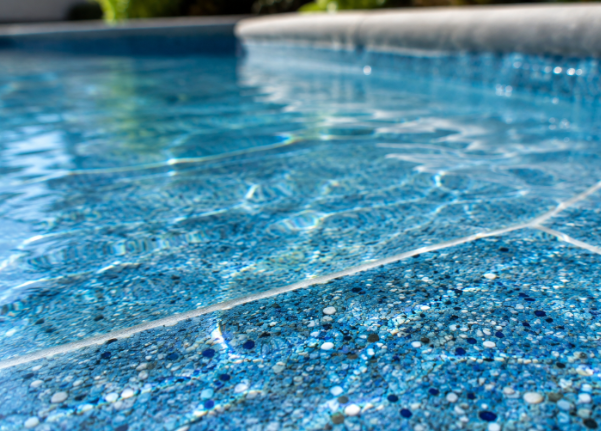
The appropriate interior finish depends on the pool structure, climate, water chemistry, expected use, texture preferences, and maintenance practices. Common choices include traditional plaster, quartz or aggregate finishes, resin-based systems, and vinyl or membrane systems for compatible pool structures.
- Compare texture and swimmer comfort.
- Ask how repairs are performed and matched.
- Consider stain resistance, color variation, and cleaning needs.
- Evaluate total ownership costs, not just installation cost.
- Review Tile, Coping, And Decking
Tile, coping, and decking should be planned together because they affect appearance, drainage, visibility, and safe movement. Choose materials suited to wet conditions and local weather. Confirm that deck slopes direct water away from the pool and nearby structures, and consider whether colors help users see steps, edges, and changes in elevation.
- Check Plumbing And Equipment
A new finish should not cover up mechanical problems. Review pump performance, filter condition, heater age, lighting, transformers, automation controls, valves, piping, and water-return patterns. Equipment replacement can involve electrical or plumbing changes, permits, and added lead time, so it belongs in the initial scope rather than an afterthought.
- Plan For Accessibility
Accessible features can make the pool more usable for older adults, children, and people with disabilities. Consider pool lifts, sloped entries, stable transfer areas, handrails, accessible stairs, clear deck routes, and appropriate surface texture. For public and commercial facilities, accessible pool requirements explain how obligations can vary based on the facility and whether the work is new construction, an alteration, or an existing-pool improvement.
- Create A Practical Renovation Budget
Build the budget around inspection and design, permits, demolition, shell repairs, surface preparation, finish installation, tile, coping, decking, equipment, electrical work, accessibility features, cleanup, water treatment, and final testing. Reserve contingency funds for hidden damage, outdated plumbing, drainage corrections, and code-related work that may be discovered after demolition.
- Build A Realistic Project Timeline
A typical sequence includes inspection, design decisions, permit review, draining, preparation, removal, repairs, installation, curing, equipment testing, water balancing, and final walkthrough. Weather, material availability, inspections, and concealed conditions can change the schedule. Avoid planning a renovation so close to an important event that there is no room for normal delays.
- Choose The Right Renovation Team
Look for relevant experience with the pool type and project size, plus licensing and insurance where required. Request a written scope that identifies materials, installation steps, payment timing, warranties, permit responsibilities, cleanup, testing, and final approval. Ask who manages subcontractors and how additional repairs will be documented and priced.
- Avoid Common Planning Mistakes
- Choosing colors before evaluating the shell and plumbing.
- Ignoring leaks until after a new finish is installed.
- Updating the interior while leaving unsafe decking or poor drainage unchanged.
- Using vague estimates that do not define labor and materials.
- Adding features without considering future maintenance.
- Skipping permit research or scheduling too close to pool season.
- Use A Final Pool Renovation Checklist
- Complete the inspection and document repairs.
- Write project goals and approve the budget range.
- Review material samples, drainage, lighting, and deck safety.
- Test plumbing and equipment before finishing work begins.
- Confirm accessibility needs, permits, schedule, warranties, and payment terms.
- Plan for final inspection, water balancing, and owner walkthrough.
Conclusion
A well-planned pool renovation solves hidden problems while improving safety, comfort, and long-term upkeep. By evaluating the structure, surfaces, equipment, access, budget, and schedule together, pool owners can make informed choices and reduce the chance of costly rework.