



On short-form platforms, content that encourages immediate action is rewarded. There is no form that does this better than the quiz videos. They evoke attention within several seconds and provoke the viewers to act rather than scroll. This difficulty and the combination with this game provoke attention. When under a moderate degree of tension, the human brain enjoys solving problems. The answer is what makes quiz clips saturate the feeds of TikTok, Instagram, and YouTube Shorts. It augments the degree of participation because the viewers are not inactive. Each question is a small vow that contains attention as a hostage.
Quiz videos are also beneficial in speed and clarity. An effective introduction question foreshadows. This is facilitated by Pippit through automation and smart sequencing. Its video agent converts simple quiz ideas into animated sequences that feel interactive and timely. The platform generates pacing, captions, and transitions automatically, rather than manually editing them. The model allows creators, educators, and brands to focus on questions rather than the intricacy of production. It is natural for the short-form viewer who wants to be moved and respond swiftly.


Understanding the Anatomy of High-Retention Quiz Videos
This is an organization of high-retention quiz videos. Speed is more crucial than duration. Each prompt must have enough time to comprehend, but not a sense of fatigue or contemplation. Delays that are made intentionally cause suspense prior to the delivery of answers. The memory and attention to the screen are established by visual reinforcement. Important words are highlighted by captions, and advancements are denoted by transitions. These are the mechanics which Pippit employs to keep it flowing. The viewer is not a quick quitter, and each scene creates an impression that there is an end. The immediate receipt of responses after the anticipation has been met increases retention. This balance also serves to prevent boredom, though not to get confused.
Moving from Static Questions to Dynamic Video Experiences
Text quizzes do not work in feed crowding. They must work without the aid of the eye. The answer to this shortcoming in dynamic video experiences is motion, sound, and rhythm. The questions are lively frames guiding the eyes in the right direction. Movement assists in focusing on what is important. Pippit applies AI-editing to turn the frozen prompts into engaging sequences. The system automatically identifies images and timing indicators. It removes speculation in editing decisions. It is not a text but can be experienced as a question. The format enhances interaction since it is comparable to contemporary consumption habits.
How Pippit Designs Quiz Flow Automatically
The direction of the quiz determines the further presence or the departure of the audience. In Pippit forms, interrogate and respond sequences have a calculated spacing. All revelations occur when curiosity is at its peak. Times are fashioned to be sensitive to seconds depending on the short- form norms. Even between questions, the rhythm of visuals is maintained, and thus reduces the cognitive load. Smooth transitions provide continuity between segments. This format is friendly to TikTok-type content, where flow is a consideration in determining algorithmic reach. The automation ensures that every quiz is formed on the premise of a given engagement pattern. Routine gives certainty to the readers of what to expect.
Steps To Create Quizzes That Hook Viewers Fast With An AI Video Agent
Step 1: Set up an interactive quiz video
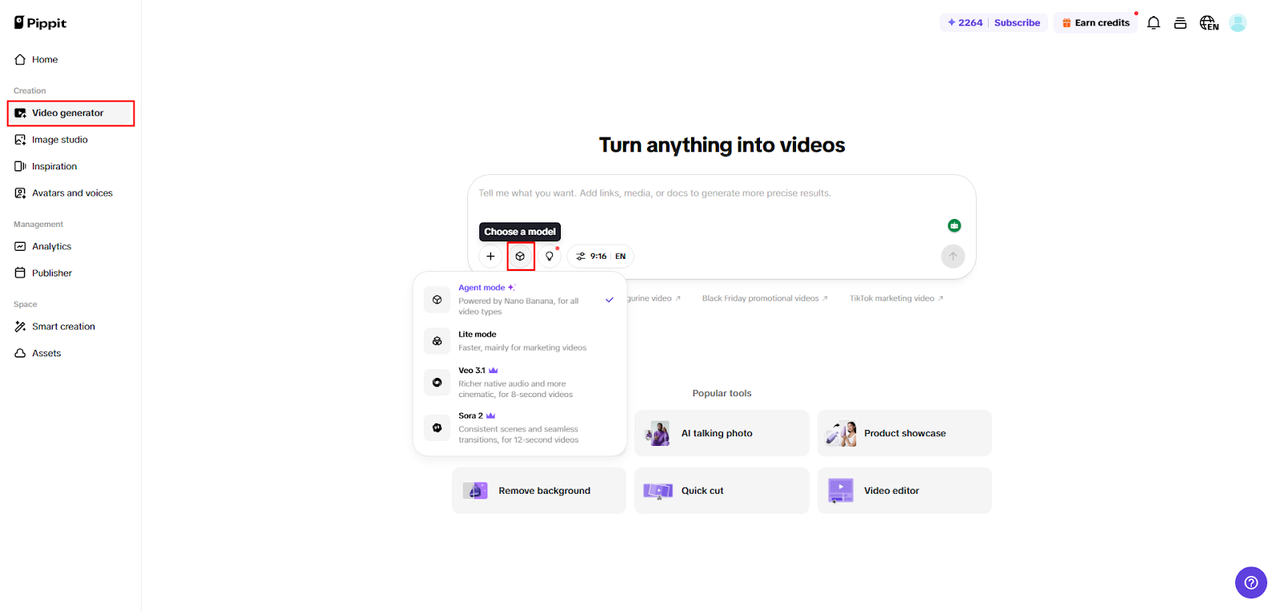
Access Pippit and sign up to get started. Navigate to the “Video generator” tab and open the “Choose a model” menu. Select “Agent mode” from the drop-down menu to begin building your quiz video. Add a text prompt that clearly explains the quiz flow, questions, and visuals. Upload screenshots, icons, or question cards through the “Add media” tab. Media can come from your local device, phone, Dropbox, or a shared link. You may also pick assets if needed. Once ready, click the up arrow tab.

Step 2: Auto-build engagement elements
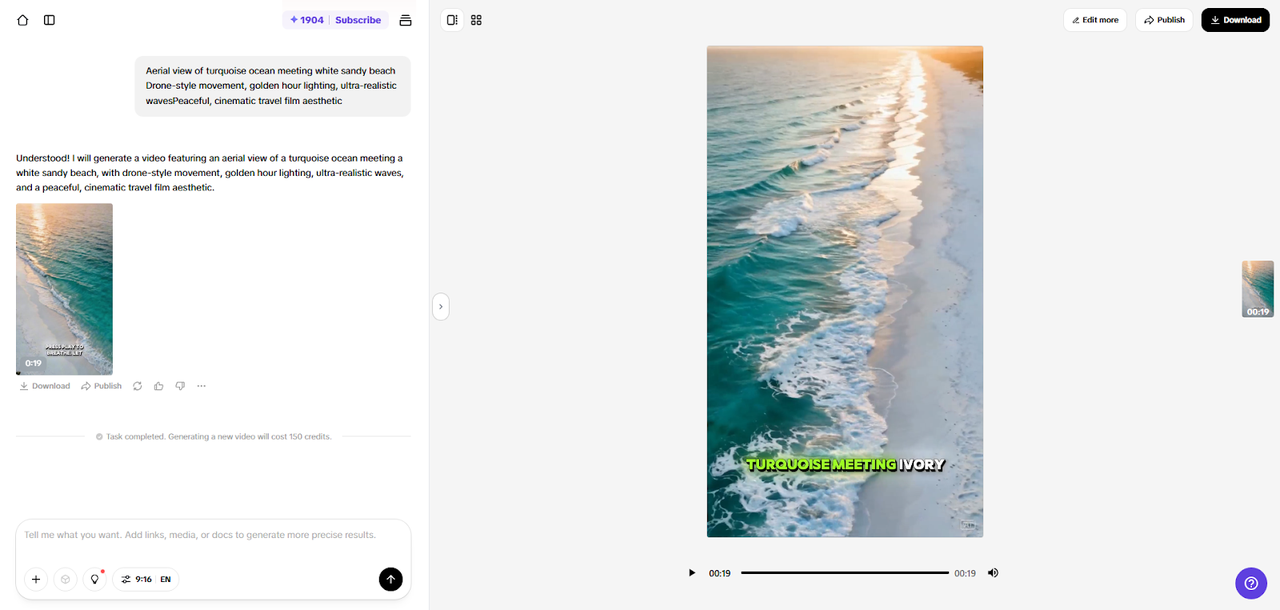
The AI video generator in Pippit automatically edits and generates your quiz video using the prompt and reference media.


It manages transitions, pacing, and video enhancements to keep viewers engaged. To refine timing or visuals, adjust the text prompt and click the up arrow again. For hands-on control, click the video and choose the “edit more” tab in the top right corner to open the main editing interface of Pippit.

Step 3: Polish and share the quiz
Edit captions manually and add on-screen text to guide viewers through questions. Customize text size, color, and alignment for clarity. Apply filters, effects, background music, or remove background distractions.

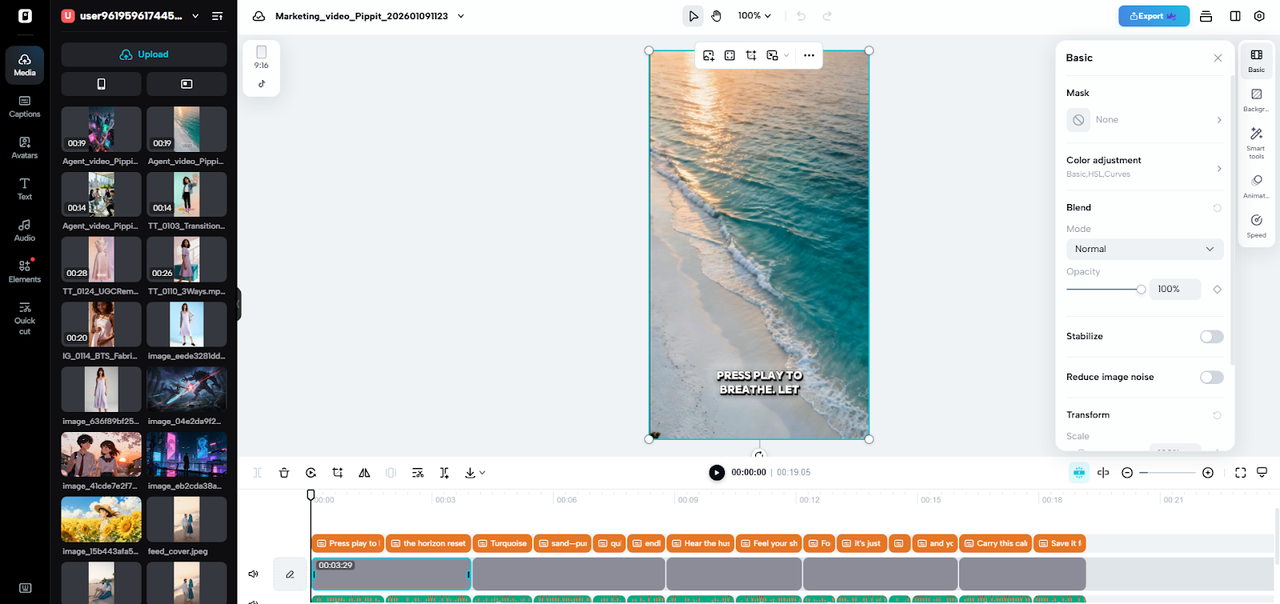
When satisfied, click the “Export” tab in the top right corner. Share instantly on TikTok, Instagram, or Facebook using “Publish. To keep a copy, use the “Download” tab and choose your preferred format, resolution, quality, and file name.
Designing Quiz Prompts That Trigger Immediate Interaction
Good quiz prompts are simple and easy to articulate. They are questions that need to be understood without having to read them again. Visual evidence, such as highlighted texts, favors guessing. Balance is also difficult. Questions that are too easy are not interesting, and those that are too difficult cause drop-offs. Pippit justifies experimentation with creating in quick cycles. The different versions are effective in tone and challenge testing. This fluidity helps makers to refine interaction stimuli without design fatigue. At this stage, many rely on Pippit as a free AI video editor to streamline iterations while maintaining quality.


Using AI Timing to Prevent Drop-Off
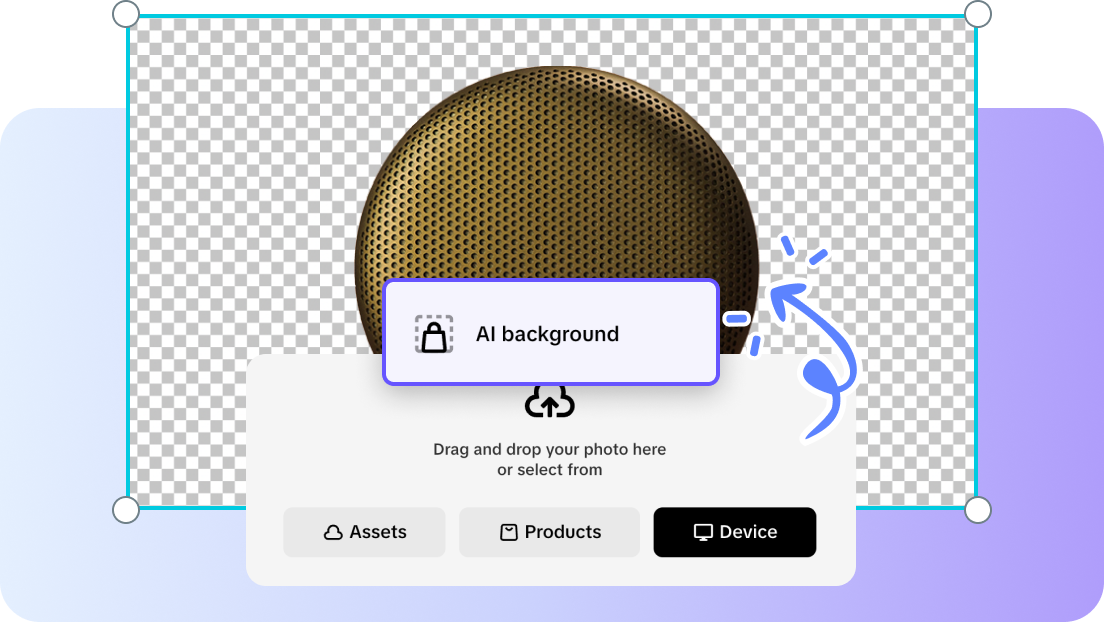
Timing influences the patience of viewers more than images. Strategic pauses make waiting more anxiety-inducing. The countdown practices are a pointer to revelations. Reveal effects will be a treat to the eye. Pacing of different questions evenly also contributes to discontinuity. Pippit is driven by these factors through automatic patterns. This kind of uniformity reduces timing errors in humans. The audience is held in suspense as the expectations are open. There is no rush in timing. Advanced tools like the AI background generator further enhance focus by minimizing distractions behind questions.
Scaling Quiz Content Without Creative Fatigue
The contents of handwriting quizzes are becoming less creative. Mass production is possible through automation without loss of authenticity. Pippit comes up with a number of quizzes based on one theme. Themes can be customized to any niche, such as education, entertainment, marketing, etc. Formatting can be easily done across platforms without reformatting. This plan keeps the production fresh and reduces workload. Periodical publication is not a heavy load. AI-based systems can also be used to test at scale, and quality can be ensured.
Conclusion
The achievement of the quiz videos is that attention is transformed into participation. Short-form ecosystems incentivize action-inviting content. Pippit removes the need to produce quizzes manually, since structure, pacing, and visuals are handled automatically. This productivity is more conducive to a stable communication devoid of complex processes. Monotonous systems create routines among the audience. Active participants are passive observers who are engaged in using AI-powered quizzes. The transformation increases retention, reach, and long-term growth across platforms.