


Key Takeaways
- Plan commercial repainting around tenant schedules, customer traffic, and daily operations.
- Inspect surfaces and address moisture, cracks, peeling paint, and other issues before applying new coatings.
- Use phased scheduling to reduce disruption and allow proper drying and curing.
- Protect indoor air quality with appropriate ventilation, dust control, and work-area barriers.
- Include preparation, equipment, cleanup, and after-hours labor when budgeting.
- Communicate schedule changes and access restrictions clearly to occupants.
- Complete a final walkthrough and keep paint specifications for future maintenance.
Commercial repainting in Southern California requires more than selecting an updated color palette. Property managers and business owners must account for busy tenant schedules, customer traffic, warm weather, coastal moisture, dust, and the practical limits of an occupied building. A well-organized plan helps protect the facility while keeping employees, visitors, and daily operations moving. Whether the project involves an office, medical facility, retail center, warehouse, apartment common area, or industrial property, working with a provider of commercial painting services – Southern California can help turn a broad improvement goal into a clear scope, schedule, and access plan. The strongest projects are phased carefully so that painting work does not come as a surprise to the people who use the property every day.
Why Planning Matters in a Commercial Repaint
A commercial repaint affects circulation routes, workspaces, deliveries, cleaning routines, and occupant comfort. Without a written plan, a project may create avoidable problems such as blocked hallways, unexpected odors, equipment left in public areas, or employees arriving to find that their work area is temporarily inaccessible. Planning creates a sequence for preparation, painting, drying, cleanup, inspection, and reopening. In many occupied properties, the building need not be completely closed. For example, one office wing can be prepared and painted while employees work in another wing; the team can then move into the completed area after cleaning and inspection.
Set Clear Project Goals Before Work Begins
Before requesting estimates, define what the repaint needs to accomplish. The goal may be a cosmetic refresh, protection against wear and tear, tenant turnover, repairs after water damage, rebranding, or a larger renovation. That decision affects product selection, preparation requirements, timing, and budget.
- Identify the rooms, elevations, corridors, or exterior features that need priority.
- Document brand colors, design standards, and accessibility-related color contrast needs.
- Specify performance needs, such as washable walls, moisture resistance, chemical resistance, or high-traffic durability.
- Decide whether work should occur during daytime hours, evenings, weekends, or a planned shutdown.
- Confirm who can approve color samples, schedule changes, and final touch-ups.
Assess the Building and Its Surfaces
A site review should come before final colors and coatings are chosen. Southern California properties can face intense sun exposure, windblown dust, coastal salt air in some locations, and temperature changes between shaded and exposed building surfaces. Interior conditions also matter, especially in kitchens, restrooms, loading areas, and spaces with frequent cleaning. Review drywall, concrete, stucco, metal, wood, ceilings, and previously coated surfaces for peeling paint, cracks, stains, corrosion, moisture intrusion, or poor adhesion. Note high-touch areas, ceiling heights, stairwells, elevator access, loading zones, and whether lifts, scaffolding, containment, or special ventilation will be needed.
Build a Schedule Around Daily Operations
A phased schedule keeps the property usable while giving each coating enough time to dry and cure according to its product instructions. Divide the building into manageable work zones, then rank those zones by business priority, foot traffic, and ease of temporary closure.
- Start with low-traffic rooms, vacant suites, storage areas, or exterior sections away from public entrances.
- Schedule sanding, scraping, repairs, and other disruptive preparation outside peak operating hours when possible.
- Allow extra time for patches, primer, drying, curing, cleanup, and unexpected repairs.
- Coordinate furniture moves, deliveries, security access, and elevator use before each phase begins.
- Reopen a zone only after debris, coverings, tools, and barriers have been removed and the area has been inspected.
The schedule should show when crews arrive, when a zone closes, when ventilation begins, and when occupants may safely return. This level of detail prevents confusion at reception desks, loading docks, and shared tenant areas.
Protect Indoor Air Quality
Indoor painting plans should address dust, fumes, ventilation, and the protection of furniture and equipment. The steps for controlling pollution sources and increasing ventilation during remodeling provide a useful framework for occupied spaces.
- Review product data sheets and select coatings appropriate for the space and expected wear.
- Use temporary barriers to separate active work from occupied areas.
- Cover flooring, electronics, furniture, inventory, and porous materials before preparation begins.
- Use ventilation methods appropriate to the building and weather conditions.
- Establish clear return-to-space rules based on the coating system and site conditions.
Do Not Skip Surface Preparation
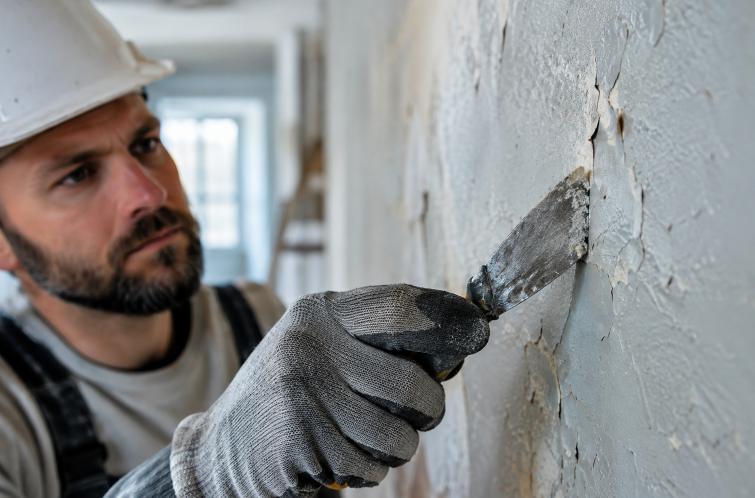
Preparation often determines how long a finish will perform. Surfaces may need cleaning, patching, sanding, caulking, paint removal, stain blocking, or priming before the finish coats are applied. Moisture sources should be identified and corrected before repainting, as a new coating cannot resolve an underlying leak or water intrusion. Fresh paint over a damp, dirty, glossy, or unstable surface can look acceptable at first, but it may peel, blister, or show uneven adhesion sooner than a properly prepared finish. Include preparation tasks in the written scope rather than treating them as an afterthought.
Plan for Safety and Access
Occupied projects need a site-specific plan for people, equipment, and emergency access. Closed areas should have clear signs and barriers, while emergency exits, fire equipment, restrooms, and required paths of travel remain accessible. Coordinate ladders, lifts, scaffolding, and overhead work so employees, tenants, visitors, and deliveries are not routed through active work areas. For larger renovations, phasing construction work and protecting absorbent materials from contamination are sensible practices when coordinating painting with carpet, ceiling tile, and other finish installations.
Create a Practical Commercial Painting Budget
Pricing depends on more than square footage. A useful estimate separates labor, materials, preparation, access equipment, protection, cleanup, and optional repairs. Compare scopes carefully, especially when one proposal includes patching, primer, lift use, or after-hours work and another does not.
- Surface condition and the amount of repair work required.
- Interior, exterior, or specialty coating needs.
- Equipment, containment, and difficult-access requirements.
- Night, weekend, or holiday scheduling.
- Furniture moving, waste handling, and final cleanup.
Keep Occupants and Tenants Informed
Clear communication reduces complaints and last-minute delays. Send a project notice before work starts, then provide updates as each phase approaches. List the affected areas, dates, access changes, expected noise levels, and a contact person for urgent questions. Use temporary signs near entrances, elevators, hallways, restrooms, and shared amenity spaces.
Finish With a Walkthrough and Maintenance Plan
Before final acceptance, inspect coverage, color consistency, sheen, edges, touch-ups, and cleanliness. Confirm that doors, hardware, outlets, signs, and fixtures are usable and free of paint residue. Record product names, colors, sheen levels, and application dates, then retain leftover materials when practical for future touch-ups. A commercial repaint succeeds when it improves the property without creating unnecessary disruption. Clear goals, careful assessment, phased scheduling, air-quality planning, safety controls, and consistent communication help Southern California facilities stay functional while receiving a durable, professional update.
Conclusion
Commercial repainting in Southern California requires careful coordination, from surface preparation and product selection to scheduling and final inspection. By planning work in phases, protecting occupied areas, and keeping tenants informed, property managers can reduce disruptions while maintaining safe and functional spaces. A clear scope, realistic budget, and proper preparation also help support durable finishes and easier long-term maintenance.