


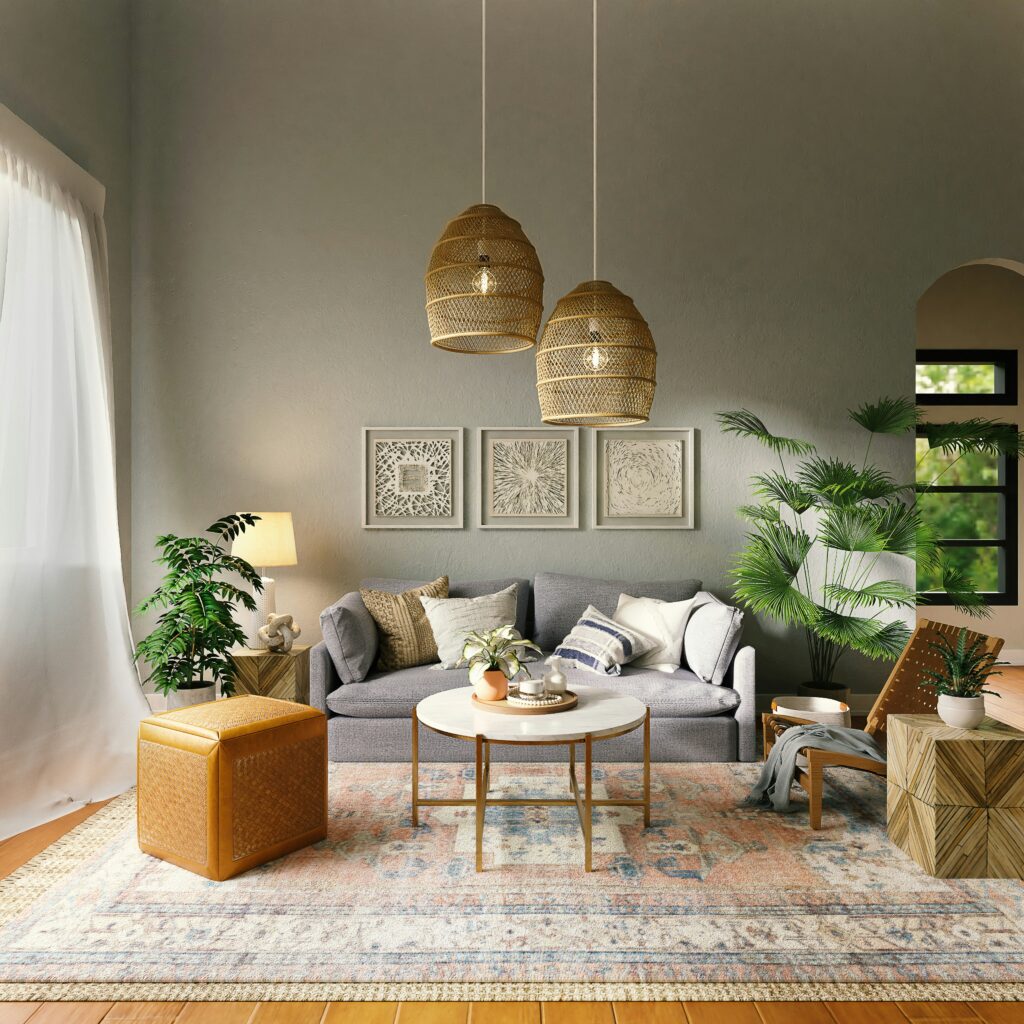
Creating a relaxing environment at home is no longer a luxury—it has become a necessity. In today’s fast-paced world, our homes serve as sanctuaries, offering comfort, tranquility, and a space to recharge. Thoughtful home improvements can transform ordinary spaces into serene retreats that promote mental wellness and physical comfort. From layout adjustments to color choices, lighting, and furniture selection, every detail contributes to a harmonious atmosphere. This article explores practical, professional, and effective home improvement ideas to cultivate a relaxing environment.
1. Optimize Natural Light
Natural light is one of the most powerful elements in creating a calming environment. Exposure to sunlight enhances mood, regulates circadian rhythms, and provides warmth and vitality to a space. Consider these strategies:
- Install Large Windows: Floor-to-ceiling or expansive windows invite natural light and provide a connection to the outdoors.
- Use Light-Filtering Curtains: Sheer or light-filtering curtains soften harsh sunlight while maintaining brightness.
- Reflect Light with Mirrors: Strategically placed mirrors can amplify natural light and make rooms feel more spacious and airy.
A room filled with natural light automatically feels more welcoming and soothing, creating a positive foundation for relaxation.
2. Choose Calming Colors
Colors have a profound impact on mood. Selecting the right color palette is crucial for crafting a relaxing home environment. Experts often recommend:
- Soft Blues and Greens: These colors evoke feelings of tranquility and nature, making them ideal for bedrooms and living spaces.
- Neutrals: Shades of beige, cream, and taupe provide warmth without overstimulation, suitable for shared areas.
- Pastels: Soft pastels like lavender, mint, and peach encourage calmness and comfort.
Avoid overly bright or harsh colors, as they can create stress or tension rather than relaxation.
3. Integrate Nature Indoors
Bringing elements of nature into your home has a soothing effect on the mind and body. Biophilic design, which emphasizes a connection with nature, has been linked to lower stress levels and improved well-being. Effective methods include:
- Houseplants: Snake plants, peace lilies, and ferns purify the air and create visual calm.
- Indoor Water Features: Small fountains or aquariums provide gentle soundscapes that promote relaxation.
- Natural Materials: Use wood, stone, bamboo, and cotton in furniture, flooring, and décor to enhance warmth and natural appeal.
Natural textures and greenery create a sensory experience that reduces anxiety and fosters serenity.
4. Focus on Comfort in Furniture
Relaxing environments require furniture that prioritizes comfort without compromising style. Consider the following:
- Ergonomic Seating: Sofas and chairs that support the body reduce tension and improve comfort.
- Plush Textiles: Soft cushions, throws, and area rugs encourage relaxation and tactile comfort.
- Flexible Layouts: Arrange furniture to create open spaces, ensuring easy movement and a sense of flow.
Investing in quality furniture ensures that your home is not only aesthetically pleasing but also physically comforting.
5. Enhance Lighting for Ambiance
Lighting plays a pivotal role in mood and relaxation. Harsh overhead lights can create stress, while well-planned lighting enhances calmness. Ideas include:
- Layered Lighting: Combine ambient, task, and accent lighting to create versatile atmospheres.
- Warm LED Lights: Warm-toned lights mimic natural sunlight and evoke a cozy environment.
- Dimmer Switches: Adjust lighting intensity to suit different times of day and activities.
- Candlelight and Lamps: Decorative lamps and candles provide soft illumination for winding down in the evening.
Lighting can set the tone for relaxation, making every room feel inviting and serene.
6. Minimize Clutter and Organize Space
A cluttered space often leads to a cluttered mind. Organizing your home is essential for promoting calmness:
- Declutter Regularly: Remove unnecessary items and keep only essentials.
- Smart Storage Solutions: Use shelves, drawers, and hidden storage to maintain a tidy appearance.
- Open Spaces: Avoid overcrowding furniture and décor to preserve a sense of spaciousness.
- Neutral Storage Containers: Choose storage solutions that blend seamlessly with your décor to maintain harmony.
An organized home creates a visually soothing environment, reducing stress and enhancing relaxation.
7. Use Aromatherapy
Scents can influence mood and stress levels, making aromatherapy an effective tool for home relaxation:
- Essential Oils: Lavender, chamomile, and sandalwood are known for calming properties.
- Diffusers and Candles: Electric diffusers or scented candles help distribute fragrances evenly throughout the space.
- Natural Freshness: Open windows for fresh air and introduce fresh flowers to elevate mood naturally.
The power of scent is often underestimated, but it can transform a room into a sanctuary for the senses.
8. Create a Dedicated Relaxation Zone
Designating a specific area for relaxation enhances the effectiveness of your home improvements. Ideas include:
- Reading Nook: A cozy corner with a comfortable chair, blanket, and soft lighting encourages leisure reading.
- Meditation Space: Use floor cushions, minimal décor, and calming colors to create a serene meditation area.
- Home Spa Area: Incorporate a bath, soft towels, and soothing music for stress relief.
- Outdoor Retreats: If you have a balcony, garden, or patio, furnish it with comfortable seating and greenery.
Having a dedicated relaxation zone signals to your mind that it is a space meant for rest and rejuvenation.
9. Incorporate Soft Textures
Texture can influence how we feel within a space. Soft and tactile materials enhance comfort:
- Area Rugs: Thick rugs can make floors inviting and warm.
- Plush Cushions and Throws: Layer these on sofas and chairs to create a welcoming environment.
- Textured Wall Hangings: Woven or fabric wall décor adds visual interest without overwhelming the senses.
Mixing textures carefully adds depth and comfort, making your home feel more nurturing.
10. Install Soundproofing or Calming Sounds
Noise can disturb peace and relaxation. Consider sound as part of your home improvement strategy:
- Soundproof Windows and Doors: Reduces external noise for a quieter environment.
- Soft Music or Nature Sounds: Integrate speakers or smart sound systems to play soothing background sounds.
- Acoustic Panels: Strategically placed panels improve acoustics and reduce echo in open spaces.
Sound management ensures that your home is a true sanctuary away from the stress of the outside world.
11. Incorporate Minimal Technology
Technology can be both a convenience and a stressor. For a relaxing environment:
- Limit Screens in Bedrooms: Keep TVs, laptops, and phones out of sleeping areas to improve rest.
- Smart Lighting and Thermostats: Automate lighting and climate control for comfort without constant adjustments.
- Hide Wires and Gadgets: Maintain clean surfaces and organized devices to reduce visual stress.
Mindful use of technology ensures that your home remains a retreat rather than a source of distraction.
12. Personalize Your Space
Personal touches can elevate comfort and emotional well-being:
- Display Art and Photographs: Choose images that inspire positivity and calm.
- Sentimental Items: Incorporate meaningful objects that evoke fond memories.
- Custom Decor: Tailor furniture, textiles, and colors to reflect your personal tastes and preferences.
A space that resonates with your personality naturally promotes relaxation and contentment.
13. Prioritize Air Quality
Good air quality is essential for both physical and mental relaxation:
- Ventilation: Ensure rooms are well-ventilated, using windows and exhaust fans.
- Air Purifiers: Invest in quality air purifiers to remove allergens and pollutants.
- Indoor Plants: Beyond aesthetics, plants like spider plants and bamboo palms naturally purify the air.
Clean, fresh air contributes to overall health and enhances the feeling of calmness in your home.
14. Invest in Energy-Efficient Solutions
Energy efficiency not only saves money but also contributes to a worry-free and relaxing environment:
- LED Lighting: Reduces electricity use and provides warm, relaxing light.
- Smart Thermostats: Maintain comfortable temperatures without constant adjustments.
- Insulation Improvements: Keeps rooms at a stable temperature, enhancing comfort and reducing stress over energy bills.
A home that runs efficiently allows residents to focus on rest rather than maintenance concerns.
15. Maintain Consistency and Flow
Finally, creating a relaxing environment requires a consistent and cohesive design approach:
- Harmonize Colors and Textures: Ensure a smooth transition between rooms to maintain serenity.
- Avoid Overdecorating: Limit excessive décor items to prevent visual chaos.
- Open Layouts: Design spaces that encourage flow and easy movement.
Consistency and thoughtful design ensure that every room contributes to an overarching sense of calm.
Frequently Asked Questions (FAQs)
Q1: How can I make a small home feel more relaxing?
A1: Use light colors, mirrors, and multi-functional furniture to create the illusion of space. Minimize clutter and establish a cozy corner for relaxation.
Q2: Are there specific colors scientifically proven to reduce stress?
A2: Yes, soft blues, greens, and muted neutrals are widely recognized for their calming effects.
Q3: Can indoor plants really improve relaxation?
A3: Yes, plants reduce stress, purify the air, and create a visual connection to nature, all of which contribute to a relaxing atmosphere.
Q4: What type of lighting is best for relaxation?
A4: Warm LED lights, dimmable fixtures, and soft ambient lighting are ideal for creating a calm environment.
Q5: How can I reduce noise for a more peaceful home?
A5: Install soundproof windows or doors, use rugs and curtains to absorb sound, and play soft background music or nature sounds.
Q6: Is it necessary to have a dedicated relaxation area?
A6: While not mandatory, a dedicated space enhances mindfulness and signals to the mind that it is time to unwind.
Q7: Can minimal technology help in relaxation?
A7: Yes, reducing screen exposure, organizing devices, and using automated home systems minimizes stress and distractions.
Q8: How important is furniture comfort for creating a relaxing environment?
A8: Very important. Comfortable, ergonomic, and soft-textured furniture ensures physical ease and supports mental relaxation.
Conclusion
Creating a relaxing home environment is achievable through strategic home improvements that focus on light, color, furniture, sound, and personal comfort. By integrating nature, decluttering, managing technology, and optimizing air quality, every aspect of your home can contribute to a peaceful sanctuary. Whether through small changes like adding indoor plants and soft lighting or larger improvements such as redesigning layouts and furniture upgrades, a home designed with relaxation in mind can significantly enhance well-being.
Investing time and thought into your living space not only improves daily comfort but also promotes long-term mental and emotional health, making your home a true retreat from the stresses of modern life.