


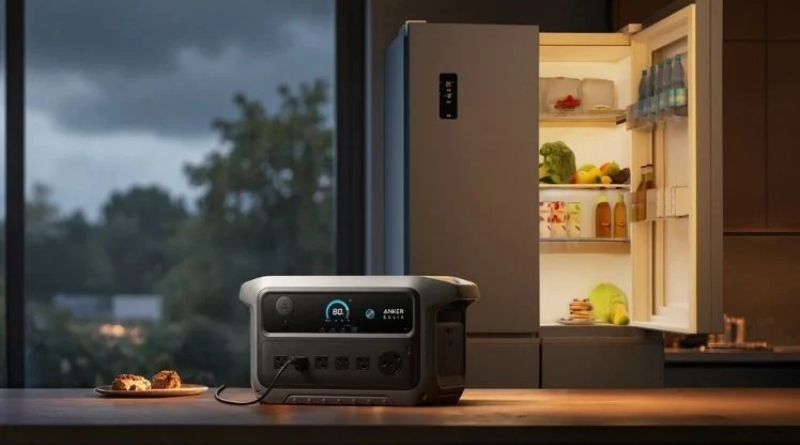
Portable power stations can keep essential devices running during outages, storms, and winter disruptions, but safe home use matters as much as backup capacity. Canadian households often face heavy appliance loads, freezing temperatures, and long backup periods, so proper setup, charging, and storage should never be treated as afterthoughts. A power station should sit in a dry, stable area, operate within its rated output, and stay clear of blocked airflow or unsafe extension setups. Charging methods also need attention, especially when using solar input or a generator during extended outages. With the right habits, homeowners can reduce fire risk, protect battery health, and get more reliable emergency power. The following tips explain how to use a portable power station safely and confidently at home.
Set Up Your Portable Power Station Safely
Choose a Dry, Ventilated and Stable Location
Place your portable power station indoors in a clean, dry space with steady airflow and a flat surface that will not tip, shake, or collect moisture. Keep it away from sinks, basement dampness, open windows, snow-covered entryways, and direct heat sources such as radiators, space heaters, or wood stoves. Leave clear space around vents so heat can escape during charging and discharge. Do not cover the unit with blankets, jackets, or storage bins. In homes with pets or children, choose a low-traffic area where cables will not become a tripping hazard. If you use the Anker SOLIX F3800 Plus Portable Power Station – 3,840Wh | 6,000W, follow the same ventilation and placement rules.
Check Wattage Before Connecting Home Appliances
Always confirm that the total running wattage of connected devices stays below your power station’s rated AC output, and remember that refrigerators, pumps, and power tools may draw a higher startup surge. Check each appliance label, then add the loads before plugging anything in. This simple step helps prevent shutdowns, overheating, and nuisance trips during an outage. The Anker SOLIX F3800 Plus provides dual-voltage 120V and 240V output with 6,000W AC power, expandable up to 12,000W, so it can support more demanding household use when matched correctly to the load. Even with a high-capacity unit, avoid guessing. Prioritize essential appliances first and connect additional items only after verifying safe operating limits.
Charge and Store Your Power Station the Right Way
Follow Safe AC, Solar and Generator Charging Practices
Use only approved cables and compatible power sources, and keep all charging connections dry and firmly seated. When charging from AC, plug directly into a properly grounded wall outlet rather than a damaged power bar or overloaded extension cord. For solar charging, position panels securely, check connector condition, and stay within the accepted input range. The Anker SOLIX F3800 Plus supports up to 3,200W solar input through dual 11-165V MPPT controllers, which helps recharge efficiently without improvised wiring. If you use generator charging during an extended outage, place the generator outdoors well away from doors and vents to prevent carbon monoxide risks. Never refuel a hot generator or route unsafe temporary cords through standing water.
Protect the Battery During Long-Term Storage
If you will not use your portable power station for weeks or months, store it indoors in a cool, dry room and avoid leaving it fully depleted. Moderate charge levels are generally better for battery health than long periods at zero. Check the manufacturer’s guidance for recommended storage charge, then top up the unit periodically so the battery does not sit neglected through the off-season. Before storing, disconnect accessories, inspect ports for dust, and wipe the casing dry. A quality LFP model such as the Anker SOLIX F3800 Plus is built for long service, with EV-grade LFP batteries, a 10+ year lifespan, and a 5-year warranty, but proper storage still plays a major role in long-term performance.
Use Backup Power Safely in Canadian Conditions
Protect Your Power Station From Extreme Cold and Heat
Canadian weather can be hard on batteries, so avoid leaving your power station in an unheated shed, freezing garage, parked vehicle, or direct summer sun. Extreme cold can reduce charging performance and available capacity, while excessive heat can shorten battery life and stress internal components. Bring the unit to a temperature-stable indoor area before charging or heavy use after exposure to winter conditions. If you need backup power at a cottage or cabin, let the unit warm gradually and keep ventilation clear once operating. Do not place it beside a fireplace, furnace vent, or sun-soaked window to compensate for the cold. Moderate indoor temperatures support safer operation and more predictable emergency backup when conditions turn severe.
Prepare for Outages Without Overloading Your System
A safe outage plan starts before the lights go out. Decide which loads matter most, such as the fridge, freezer, internet equipment, phones, lighting, or a sump pump, and test them in advance. Avoid plugging in everything at once after an outage begins. Stagger appliance startup to reduce sudden surges and monitor the system as loads change. If your unit offers app controls, use them to check status and remaining capacity without repeatedly moving the power station. The Anker SOLIX F3800 Plus includes Wi-Fi and Bluetooth app monitoring and can expand from 3.84kWh up to 26.9kWh, which helps for longer outages. Even so, smart load planning remains the key to safe, reliable backup at home.
Conclusion
Portable power station safety at home comes down to a few disciplined habits: choose a dry and ventilated location, verify appliance wattage, charge with approved methods, store the battery properly, and plan your outage loads before an emergency happens. These steps are especially important in Canada, where winter cold, storm-related outages, and longer backup needs can put more strain on equipment. Safe use protects your battery, reduces avoidable hazards, and helps your backup power last when you need it most. Whether you use a compact unit for essentials or a larger system for more demanding household support, the same principles apply. Treat your portable power station like serious electrical equipment, and it will serve your home more safely and more reliably over time.