


Key Takeaways
- The best cutting method depends on the metal, section size, access, surrounding hazards, and required precision.
- Cold-cutting approaches can reduce heat, sparks, and flame-related concerns, but they still require careful planning.
- Thermal cutting can be efficient, yet it calls for controls for fumes, hot slag, ignition sources, and fire protection.
- A complete plan includes structural support, containment, lifting, transport, recycling, and disposal.
- Remote or specialized equipment may be appropriate where access, exposure, stability, or location creates added risk.
Industrial metal cutting is rarely as simple as choosing between a saw and a torch. The method affects worker exposure, structural movement, heat transfer, noise, debris, cleanup, and the condition of nearby equipment. Teams evaluating specialized options can review https://bluegrassbit.com/services-we-offer/metal-cutting/ while building a method that fits the site, material, and removal plan.
For maintenance shutdowns, plant upgrades, dismantling, and decommissioning work, the cut itself is only one part of the job. The removed section must remain controlled throughout the sequence, then be safely lowered, packaged, moved, sorted, recycled, or disposed of as appropriate.
Why Method Selection Matters
An unsuitable cutting method can create avoidable delays and hazards. Thermal processes may quickly separate metal, but heat can affect adjacent components and create sparks, slag, fumes, and ignition risks. Mechanical or water-based methods may offer more control near sensitive equipment, but they can require additional setup, containment, power, water management, or access space.
Method selection should therefore consider the complete work process, not just cutting speed. A productive plan balances cut quality, access, worker protection, structural stability, environmental controls, and the time needed to remove the material after separation.
Main Metal Cutting Options
Different tools suit different materials and job conditions. Common options include:
- Diamond wire cutting:Often selected for thick sections, large components, and difficult shapes where a flexible cutting path is useful.
- Abrasive waterjet cutting:Can limit heat input, though the team must plan for water, abrasive media, slurry, and collection.
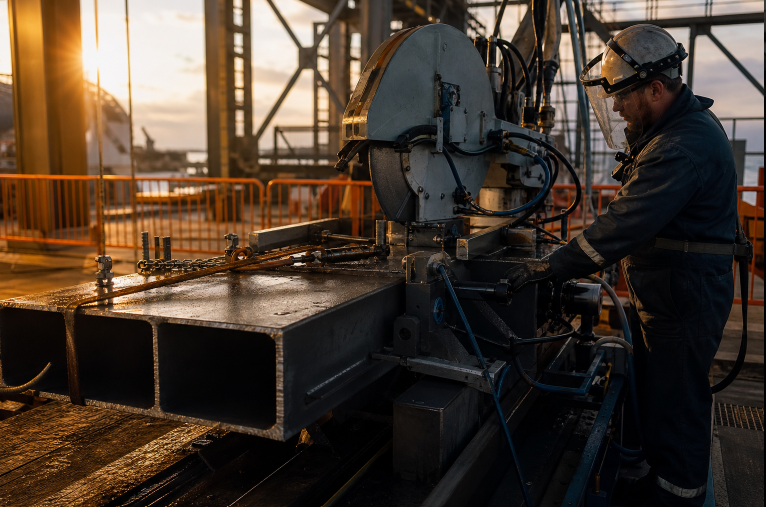
- Band sawing:A practical option for accessible pipe, bar, and structural sections that can be properly supported.
- Reciprocating or circular saws:Useful for selected accessible cuts where tool control and clearance are available.
- Shearing:Effective for certain plates, pipes, and smaller components when the equipment can be positioned safely.
- Plasma or oxy-fuel cutting:Often efficient in open, well-controlled work areas, particularly when fire prevention and ventilation measures are in place.
Cold Cutting and Thermal Cutting
Cold cutting generally separates material without depending on a high-temperature flame or arc. Examples include sawing, shearing, diamond wire systems, and some waterjet applications. These methods may reduce heat-related concerns, but they can still introduce hazards from rotating blades, moving wire, hydraulic pressure, sharp edges, noise, heavy sections, and stored energy.
Thermal cutting uses heat to melt, oxidize, or otherwise separate metal. It can be an effective choice when speed is important, and the work area supports hot-work controls. OSHA regulations on welding and cutting emphasize making the area fire-safe, controlling combustibles, and using suitable fire protection when hot work cannot be moved to a designated area.
When comparing the two approaches, consider the following:
- Heat exposure:Cold cutting typically has lower heat input, whereas thermal cutting generates significant localized heat.
- Sparks and flame:Thermal methods commonly need stronger ignition and fire controls.
- Fumes:Heat-based processes can generate fumes that depend on the base metal, coatings, and contaminants present.
- Water and slurry:Waterjet and some cooled systems require collection and handling plans.
- Best fit:Cold methods can be useful in heat-sensitive or constrained locations, while thermal methods may be better suited to open areas with robust controls.
How to Review Site Risks
Before selecting equipment, the project team should confirm the metal grade, thickness, shape, coating, corrosion level, and possible contamination. The review should also identify what lies behind, below, and beside the cut, as well as electrical sources, trapped fluids, chemicals, combustible materials, confined-space conditions, and overhead or suspended loads.
Structural movement deserves special attention. The final portion of a cut can create binding, twisting, shifting, or an uncontrolled drop if the piece is not restrained, supported, or connected to an approved lifting plan.
A Step-by-Step Planning Process
- Survey the area.Record dimensions, access routes, nearby systems, overhead obstructions, and emergency exits.
- Identify the material.Verify metal type, thickness, coatings, corrosion, and potential contaminants.
- Define the cut sequence.Mark cut lines, tolerances, removal sizes, support points, and the intended order of work.
- Compare methods.Evaluate safety, heat, noise, vibration, setup time, water use, power needs, and cleanup.
- Plan support and lifting.Establish bracing, clamps, rigging, temporary supports, or controlled lowering before cutting begins.
- Control the work zone.Set boundaries for falling objects, sparks, fumes, water, slurry, moving equipment, and unauthorized entry.
- Test the setup.Use an equipment check, a small trial cut, a mock-up, or a dry run when conditions are unusual or high-risk.
- Inspect before advancing.Verify the cut, the surrounding structure, the equipment condition, the containment, and the waste containers.
Waste and Material Handling
Removal planning should begin before the first cut. Large components may need to be separated into liftable and transportable sizes, while coatings, oils, debris, coolant, abrasive media, or contaminated water may need separate handling. Teams should label removed sections, separate recyclable metals where practical, and document the final destination of material.
Scrap management also requires attention to the material’s condition. Recycling rules for scrap metal can vary by material and management practices, so project teams should confirm applicable requirements before assuming that all removed metal can enter a standard recycling stream.
Common Planning Mistakes
- Choosing a tool before verifying access, clearance, and equipment support requirements.
- Ignoring weight transfer and structural movement during partial or final cuts.
- Overlooking coatings, trapped fluids, energy sources, or hidden hazards.
- Underestimating ventilation, fume control, noise, vibration, or containment needs.
- Planning the cut without planning the lift, transport, recycling, or disposal process.
Questions to Ask Before Work Begins
Is cold cutting always safer?
No. It can reduce heat and ignition concerns, but every method still requires a hazard review for equipment movement, sharp edges, pressure, noise, falling sections, access, and worker positioning.
When is thermal cutting a practical choice?
It may be appropriate when the work area is open, combustibles are controlled, ventilation is suitable, and the project benefits from fast separation. It may be less suitable around sensitive equipment, flammable materials, certain coatings, or confined spaces.
Why does the cut sequence matter?
Sequence determines how the load moves through the structure. A planned sequence helps prevent binding, twisting, sudden movement, and uncontrolled release.
What belongs in a cutting plan?
A complete plan should address drawings, cut locations, equipment, permits, isolation, containment, lifting, emergency actions, inspection points, and waste handling.
Conclusion
Safe metal cutting starts with selecting the right method and continues through support, separation, removal, cleanup, and material handling. The strongest plans evaluate the full job, helping teams protect workers, control the structure, manage waste, and keep the project moving efficiently.