




Post Preview
Table of Contents
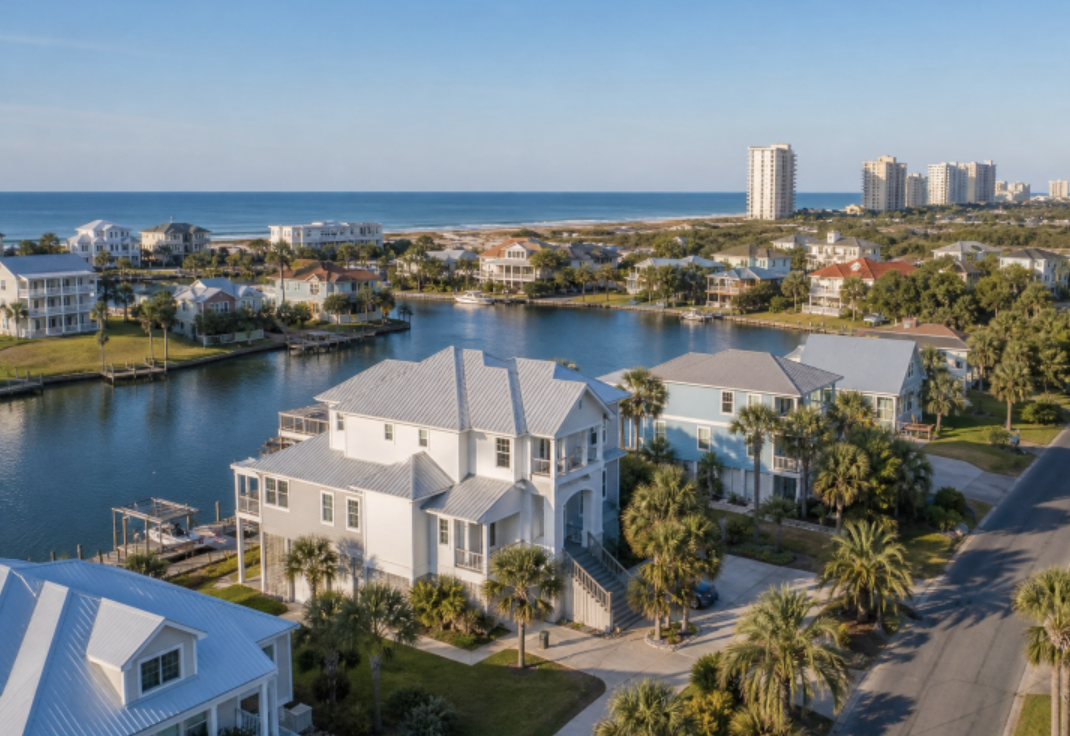
A coastal home is more than a view. In Orange Beach, Alabama, two properties with similar prices can create very different day-to-day experiences based on traffic patterns, access to the water, association rules, storm preparation, and the amount of upkeep required.
When comparing Orange Beach Homes for Sale, buyers can use the Leigh McPherson Team’s local property-search resource to explore homes across Orange Beach and nearby coastal areas such as Ono Island, Perdido Key, Gulf Shores, and Fairhope. Its Orange Beach page brings together local listings and neighborhood-oriented information, which is useful when comparing waterfront, residential, condominium, and luxury property options.
The best choice is not automatically the home closest to the beach or the one with the largest balcony. A stronger decision considers lifestyle, total ownership cost, storm exposure, construction, convenience, and future flexibility together.
Start With the Lifestyle You Want
Before touring homes, write down three non-negotiables. They might include a quiet street, boating access, a walkable setting, a private outdoor area, proximity to restaurants, or an easier drive to work and services. This list helps prevent a striking view from outweighing practical needs.
A full-time resident may prioritize grocery access, medical care, parking, and normal weekday traffic. A second-home buyer may care more about low-maintenance ownership and easy arrival routines. A remote worker may need a reliable workspace and a calmer environment, while a vacation-rental buyer should closely examine local rules, building policies, and the practical demands of guest turnover.
Compare the Full Cost of Ownership
The asking price is only one part of a coastal budget. Request estimates early and compare each property using the same categories:
A lower-priced home can still have a higher monthly carrying cost if insurance, association fees, maintenance, or travel time are substantially greater. Ask an insurance professional to quote the specific address rather than relying on a neighborhood-wide estimate.
Check Flood, Storm, and Access Conditions
Flood zones, evacuation planning, and storm-surge exposure are related but not interchangeable. Review the exact address, road access, nearby waterways, drainage patterns, and visible signs of past standing water. During a showing, ask where water moves after heavy rain and whether the route in and out of the neighborhood has practical alternatives.
Buyers can begin address-specific research through the FEMA Flood Map Service Center, which provides official flood-hazard information. That research should support, not replace, conversations with an insurer, lender, inspector, surveyor, and appropriate local emergency-management contacts.
Review Coastal Construction Before the Finishes
Beautiful interiors matter, but the building envelope and major systems deserve equal attention. Request available records and have qualified professionals inspect the property during the due diligence period.
Items Worth Reviewing
Resilience features may affect an insurance discussion, but coverage terms and discounts vary by insurer and property. Do not assume a feature qualifies until the carrier confirms it.
Visit Each Neighborhood More Than Once
A neighborhood can feel completely different on a weekday morning, during afternoon traffic, on a weekend, or during a busy visitor season. Schedule more than one visit if possible. Listen for road noise, nightlife, construction, boat activity, and commercial activity. Check parking, sidewalks, lighting, road surfaces, drainage, and the time needed to reach groceries, health care, schools, work, and major roads.
Online comments can reveal recurring concerns, but they are individual opinions rather than complete market research. For a broader context, U.S. Census QuickFacts can help buyers compare available community and county data, including population and housing characteristics. Public data will not tell you whether a street feels right, but it can lead to better questions.
Compare Established Areas With Newer Communities
Established neighborhoods may offer mature landscaping, settled traffic patterns, and a clearer picture of how the community functions. They can also require closer attention to older roofs, plumbing, electrical systems, drainage, and deferred maintenance.
Newer communities may offer modern layouts, newer systems, shared amenities, and builder warranties. Before buying, review whether additional phases, roads, commercial construction, or amenity work are planned. In either setting, read association documents and budgets carefully rather than assuming the exterior maintenance burden is fully understood.
Know What Listings and HOA Documents Can Tell You
Listings are helpful for comparing available inventory, floor plans, price changes, property types, and location patterns. They do not always reveal the full ownership picture. Compare active listings with recent closed sales through appropriate market professionals, then investigate the details that affect use and cost.
For condominiums and HOA communities, review dues, recent increases, reserve funding, special assessments, master insurance, rental rules, pet restrictions, parking assignments, renovation policies, and responsibility for roofs, docks, landscaping, roads, and common areas. These documents can influence both daily life and resale options.
Consider Future Resale Appeal
Try to view the home through a future buyer’s eyes. Practical access, usable rooms, sensible parking, manageable carrying costs, dependable infrastructure, and a maintenance level that fits the property type can appeal to a wider range of buyers. A dramatic water view may not fully offset limited parking, difficult access, unusually high fees, or extensive upkeep.
Build a Simple Neighborhood Scorecard
Rate every neighborhood from one to five and write a brief reason beside each score:
Questions to Ask Before Making an Offer
Choose the Place That Fits Real Life
The right Orange Beach neighborhood balances the experiences you want with the costs and responsibilities you can comfortably manage. Extra visits, careful document review, and early insurance research can help turn a beautiful coastal setting into a home that works well long after closing.