Homeownership is a significant milestone, and maintaining or enhancing your property is an ongoing process. Whether you are a first-time homeowner or someone with years of experience, there are essential home improvement projects that can boost your comfort, safety, and property value. From small upgrades to major renovations, investing time and effort into your home can pay dividends in both lifestyle satisfaction and long-term financial benefits.
This guide will explore essential home improvement projects, providing detailed insights on planning, execution, and the impact each project can have. It also includes frequently asked questions to help homeowners make informed decisions.
1. Kitchen Renovations: The Heart of Your Home
The kitchen is often the focal point of a home, serving as a space for cooking, dining, and socializing. Renovating your kitchen can enhance both functionality and aesthetics. Essential kitchen improvement projects include:
a. Upgrading Cabinets
Replacing old or worn cabinets can dramatically improve your kitchen’s appearance. Consider installing soft-close drawers, pull-out shelves, and modern hardware to enhance convenience.
b. Countertop Replacement
Countertops are not only functional but also a visual centerpiece. Materials such as quartz, granite, and solid-surface composites provide durability and a modern look.
c. Energy-Efficient Appliances
Investing in energy-efficient refrigerators, ovens, and dishwashers reduces utility bills while minimizing environmental impact. Look for appliances with high Energy Star ratings.
d. Lighting Improvements
Proper lighting is critical for both aesthetics and safety. Incorporate task lighting under cabinets, ambient lighting in the ceiling, and accent lighting to highlight architectural features.
e. Backsplash Installation
Adding or upgrading a backsplash can protect walls from cooking spills while adding character to your kitchen. Tiles, glass, and stainless steel are popular choices.
2. Bathroom Upgrades: Comfort and Functionality
Bathrooms are essential spaces that greatly impact your home’s value and livability. Key projects for bathroom improvement include:
a. Vanity and Sink Replacement
Modern vanities and sinks can enhance storage and style. Consider floating vanities to create a more spacious feel.
b. Shower and Tub Renovation
Upgrading your shower or bathtub not only improves aesthetics but also enhances safety. Frameless glass showers, rain showerheads, and non-slip flooring are excellent options.
c. Energy-Efficient Fixtures
Installing low-flow faucets, showerheads, and toilets reduces water consumption and utility costs without compromising performance.
d. Tile and Grout Renewal
Replacing or deep-cleaning tiles and grout can transform a dated bathroom into a fresh, clean, and inviting space.
e. Smart Bathroom Features
Consider adding heated flooring, automatic lighting, or digital shower controls for added convenience and modern appeal.
3. Flooring Projects: Enhance Comfort and Style
Flooring significantly affects the look and feel of your home. Upgrading floors is one of the most impactful home improvement projects. Options include:
a. Hardwood Floors
Hardwood flooring adds elegance and durability. It can be refinished multiple times, making it a long-term investment.
b. Laminate and Vinyl Options
Laminate and luxury vinyl flooring offer affordability and water resistance, making them ideal for high-traffic areas and kitchens.
c. Tile Flooring
Ceramic or porcelain tiles are perfect for bathrooms, kitchens, and entryways due to their durability and ease of maintenance.
d. Carpeting
Updating carpet in bedrooms and living areas can improve comfort and insulation while adding a cozy atmosphere.
4. Exterior Enhancements: Boost Curb Appeal
The exterior of your home is the first impression guests and potential buyers notice. Exterior improvement projects include:
a. Painting and Siding
Repainting or updating siding refreshes the home’s appearance. Choose colors that complement architectural style and surrounding landscape.
b. Roofing Maintenance
Replacing worn shingles or repairing roof damage protects your home from leaks and enhances property value.
c. Landscaping
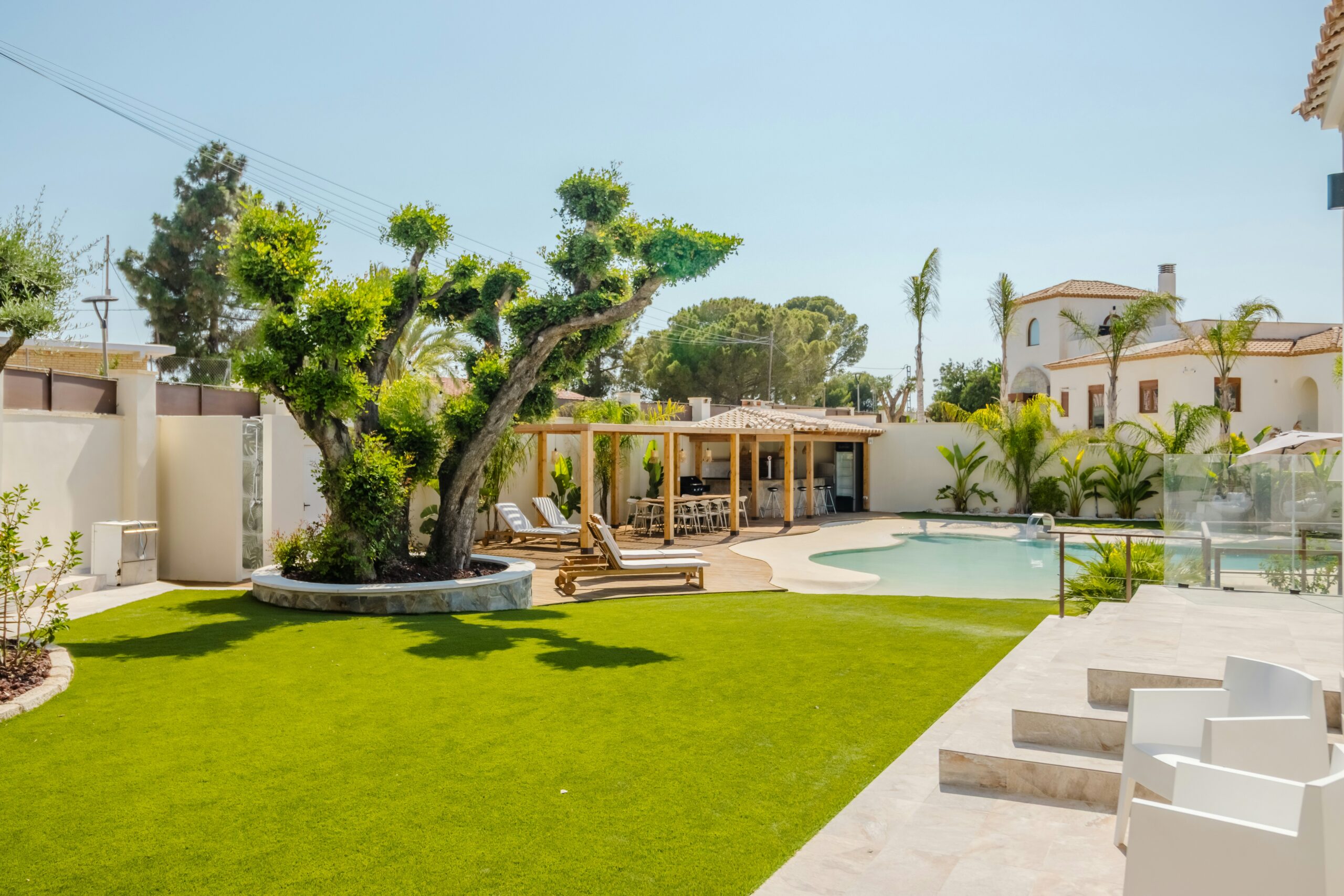
Well-designed landscaping improves curb appeal. Planting trees, shrubs, and flowers, installing walkways, and adding mulch can create a welcoming environment.
d. Outdoor Lighting
Pathway lights, porch lights, and accent lighting enhance security and aesthetics, creating a safe and inviting atmosphere.
e. Decks and Patios
Adding or updating a deck or patio increases outdoor living space, perfect for entertaining or relaxation.
5. Energy Efficiency Upgrades: Save Money and Environment
Improving your home’s energy efficiency reduces utility costs and environmental impact. Essential projects include:
a. Insulation
Proper insulation in walls, attics, and basements helps maintain consistent indoor temperatures, reducing heating and cooling costs.
b. Window and Door Replacement
Energy-efficient windows and doors prevent drafts, enhance comfort, and lower energy bills.
c. Smart Thermostats
Installing smart thermostats allows precise temperature control, optimizing energy use based on your schedule.
d. Solar Panels
Solar panels provide renewable energy, potentially reducing electricity bills significantly while increasing property value.
e. Energy-Efficient Lighting
Switching to LED or CFL bulbs lowers energy consumption while offering long-lasting illumination.
6. Basement and Attic Improvements: Expand Usable Space
Unused spaces like basements and attics offer opportunities for improvement, increasing living area and property value.
a. Basement Renovation
Transform basements into functional spaces such as home theaters, gyms, or additional bedrooms. Ensure proper waterproofing and ventilation to prevent moisture issues.
b. Attic Conversion
Convert attics into offices, playrooms, or guest rooms. Adding insulation, flooring, and windows can create comfortable and usable spaces.
c. Storage Solutions
Incorporating built-in storage systems, shelves, and cabinets maximizes functionality in both attics and basements.
7. Home Safety and Security Projects
Home improvement is not only about aesthetics but also safety. Consider these projects:
a. Fire and Carbon Monoxide Detectors
Install and maintain smoke and CO detectors in strategic locations to protect your family.
b. Security Systems
Modern security systems with cameras, alarms, and smart locks enhance safety and peace of mind.
c. Handrails and Non-Slip Surfaces
Adding handrails in stairways and non-slip mats in bathrooms prevents accidents.
d. Lighting and Visibility
Outdoor lighting and motion-sensor lights improve visibility, deterring intruders and increasing safety.
8. Smart Home Integration
Technology-driven improvements can make your home more convenient, efficient, and enjoyable:
a. Home Automation Systems
Automate lighting, climate control, and security systems with centralized apps for convenience.
b. Voice-Activated Devices
Integrate smart speakers and virtual assistants for hands-free control over various devices.
c. Energy Monitoring
Smart energy monitors track energy consumption, helping homeowners identify ways to reduce costs.
d. Remote Access
Control locks, lights, and cameras remotely to enhance security and convenience.
9. Painting and Interior Design
A fresh coat of paint and thoughtful interior design can transform your home’s ambiance:
a. Wall Painting
Choose colors that complement your furniture and décor while reflecting your personality.
b. Accent Walls
Accent walls with bold colors or textures create focal points and add visual interest.
c. Ceiling and Trim Updates
Refreshing ceilings, crown molding, and baseboards elevates the overall appearance of rooms.
d. Window Treatments
Installing blinds, shades, or curtains enhances privacy, light control, and interior style.
10. Plumbing and Electrical Upgrades
Upgrading plumbing and electrical systems ensures functionality and safety:
a. Plumbing Maintenance
Replace old pipes, faucets, and water heaters to prevent leaks and improve water efficiency.
b. Electrical System Updates
Update wiring, outlets, and circuit breakers to accommodate modern appliances and reduce fire risks.
c. Smart Fixtures
Smart faucets, leak detectors, and electrical panels provide convenience and prevent costly damages.
11. Garage and Driveway Enhancements
The garage and driveway are often overlooked but crucial for home functionality and curb appeal:
a. Garage Organization
Install cabinets, shelves, and pegboards to maximize storage and maintain a clean workspace.
b. Driveway Repair
Repair cracks and reseal surfaces to improve durability and aesthetics.
c. Garage Door Upgrade
Modern garage doors with automatic openers enhance convenience, security, and exterior appeal.
Frequently Asked Questions (FAQs)
Q1. Which home improvement project adds the most value?
Kitchen and bathroom renovations typically offer the highest return on investment. Upgraded kitchens and bathrooms appeal to buyers and improve everyday living.
Q2. How can I make my home more energy-efficient?
Key projects include installing energy-efficient windows, doors, insulation, LED lighting, and smart thermostats. Solar panels also provide long-term savings.
Q3. Are DIY home improvement projects advisable?
Simple projects like painting, installing shelves, or changing fixtures can be done DIY. Major renovations, plumbing, or electrical work should be handled by professionals to ensure safety.
Q4. How often should I update my home’s paint?
Interior paint usually lasts 5–10 years, while exterior paint can last 5–7 years depending on climate conditions. Regular inspections help identify when touch-ups or full repaints are necessary.
Q5. Can small improvements increase my home’s value?
Yes, even small upgrades like lighting, cabinet hardware, or landscaping can enhance aesthetics and appeal to potential buyers.
Q6. How do I prioritize home improvement projects?
Assess your needs, budget, and potential return on investment. Focus on safety, functionality, and areas that enhance daily comfort or property value.
Conclusion
Home improvement is a continuous journey that balances aesthetics, functionality, and safety. By focusing on essential projects such as kitchen and bathroom renovations, energy efficiency upgrades, smart home integration, and exterior enhancements, homeowners can maximize comfort and long-term property value. Proper planning, budgeting, and occasionally seeking professional help ensure that every project is completed successfully.
Investing in your home not only improves your quality of life but also secures your investment for years to come. From minor updates to major renovations, these essential home improvement projects provide a roadmap for creating a safe, efficient, and beautiful living environment.