






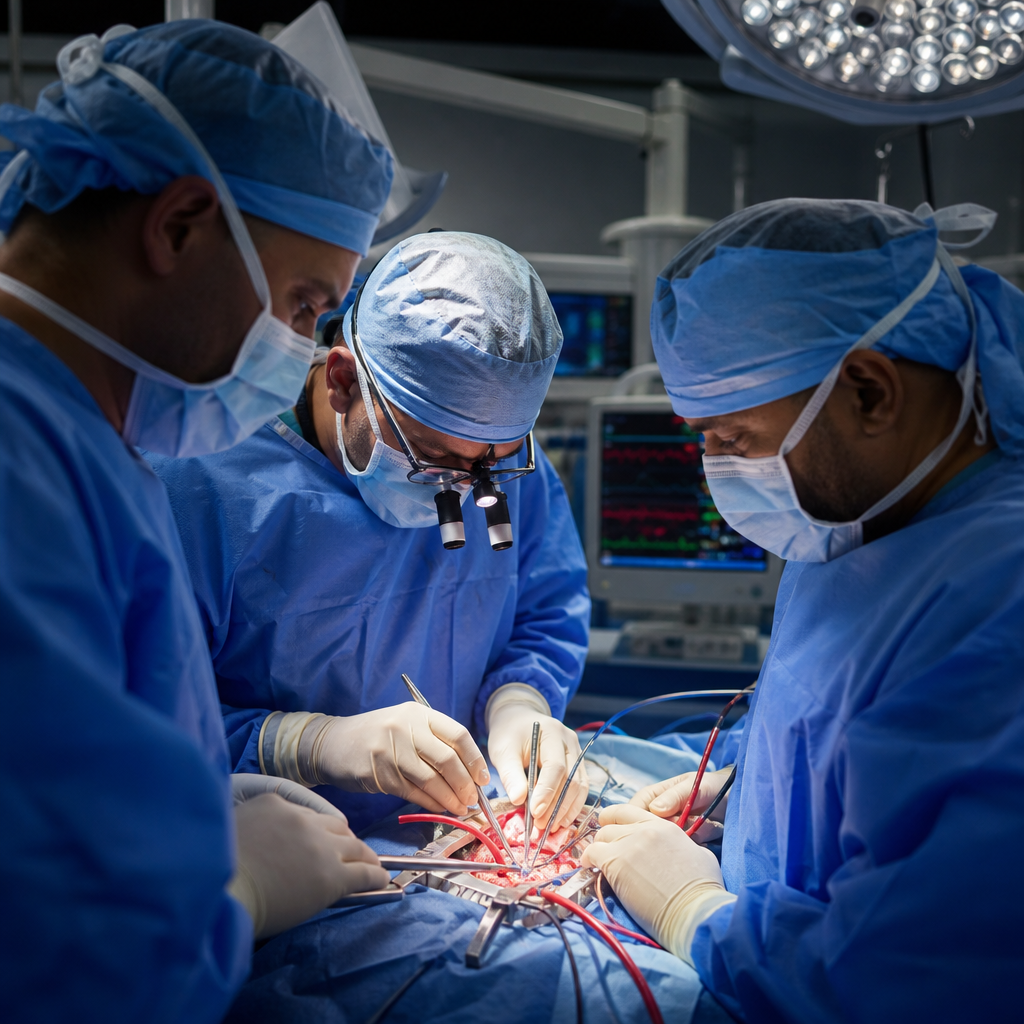
Cardiovascular disease remains one of the leading causes of mortality worldwide, affecting millions of individuals across diverse demographics. The complexity of heart and vascular conditions demands highly specialized medical expertise, advanced diagnostic technologies, and innovative surgical techniques. As medical science continues to evolve, patients now have access to treatment options that were unimaginable just decades ago, offering renewed hope for those facing serious cardiac challenges.
The field of cardiac surgery has undergone tremendous transformation, with specialists now capable of performing intricate procedures that address a wide spectrum of heart conditions. From congenital defects to acquired diseases, the scope of interventions available through skilled cardiovascular surgeon expertise has expanded significantly. These professionals combine years of rigorous training with cutting-edge technology to deliver outcomes that dramatically improve quality of life and extend survival rates for patients with complex cardiac pathology.
Understanding the Spectrum of Cardiac Interventions
Modern cardiovascular surgery encompasses a broad range of procedures designed to address various pathological conditions affecting the heart and major blood vessels. Coronary artery bypass grafting remains one of the most commonly performed operations, restoring blood flow to heart muscle compromised by atherosclerotic disease. This procedure involves harvesting healthy blood vessels from other parts of the body and using them to create alternate pathways around blocked coronary arteries, effectively bypassing the obstructions that restrict oxygen delivery to cardiac tissue.
Valve repair and replacement procedures represent another critical category of cardiac surgery. Heart valves can become diseased through various mechanisms, including calcification, infection, or congenital abnormalities. When conservative management fails to control symptoms or prevent disease progression, surgical intervention becomes necessary. Surgeons may repair damaged valves through reconstruction techniques or replace them entirely with mechanical or biological prostheses, each option carrying distinct advantages and considerations based on patient-specific factors.
Minimally Invasive Approaches
The evolution of surgical technique has ushered in an era of minimally invasive cardiac procedures that offer substantial benefits over traditional open-heart surgery. These approaches utilize smaller incisions, specialized instrumentation, and advanced imaging technologies to access the heart with reduced trauma to surrounding tissues. Patients undergoing minimally invasive procedures typically experience less postoperative pain, shorter hospital stays, and faster recovery times compared to conventional sternotomy approaches. The cosmetic benefits also carry psychological significance for many individuals, particularly younger patients concerned about visible scarring.
Robotic-assisted cardiac surgery represents the cutting edge of minimally invasive intervention. These sophisticated systems provide surgeons with enhanced visualization through high-definition three-dimensional imaging and unprecedented precision through articulated instruments that replicate natural hand movements with greater dexterity. The technology enables complex intracardiac repairs through small ports, expanding the population of patients who can benefit from minimally invasive techniques while maintaining the thoroughness and effectiveness of traditional open procedures.
The Perioperative Journey
The pathway to successful cardiac surgery extends well beyond the operating room itself. Comprehensive preoperative evaluation ensures that patients are optimized for surgery and that the surgical team possesses complete understanding of individual anatomic variations and comorbid conditions. Advanced imaging modalities including computed tomography, magnetic resonance imaging, and echocardiography provide detailed structural information that guides surgical planning and technique selection.
Postoperative care in specialized cardiac intensive care units represents a critical phase in the recovery process. Experienced nursing staff, cardiac anesthesiologists, and surgical teams work collaboratively to monitor hemodynamic parameters, manage pain, prevent complications, and facilitate early mobilization. The first hours and days following surgery require vigilant attention to fluid balance, respiratory function, and cardiac rhythm, with interventions adjusted in real-time based on continuous physiological monitoring. This same approach to comprehensive postoperative management can be seen in other surgical specialties; when same day surgery is right for you, similar principles of careful patient selection and monitoring apply to ensure optimal outcomes.
Rehabilitation and Long-Term Outcomes
Cardiac rehabilitation programs play an essential role in maximizing surgical outcomes and promoting long-term cardiovascular health. These structured programs combine supervised exercise training with education about nutrition, medication management, and lifestyle modification. Participation in cardiac rehabilitation has been associated with improved functional capacity, reduced hospital readmissions, and enhanced quality of life. The psychological support provided through group sessions also addresses the emotional challenges that often accompany recovery from major cardiac surgery.
Long-term follow-up with cardiology and cardiac surgery teams ensures continued monitoring of surgical results and management of ongoing cardiovascular risk factors. Regular echocardiographic surveillance allows clinicians to detect potential complications such as prosthetic valve dysfunction or graft deterioration before they become symptomatic. Advances in anticoagulation monitoring and pharmacological therapy have simplified long-term management for many patients, reducing the burden of frequent laboratory testing while maintaining safety and efficacy.
Integrated Healthcare Systems and Cardiac Excellence
Excellence in cardiac surgery requires more than skilled surgeons; it demands comprehensive healthcare ecosystems where multiple specialties collaborate seamlessly. The most successful cardiac programs integrate cardiologists, cardiac surgeons, anesthesiologists, intensivists, and specialized nursing staff within multidisciplinary teams that collectively optimize patient outcomes. This collaborative model extends beyond cardiac care; connected partners in healthcare ecosystems demonstrate how integrated services across different medical specialties create value through coordination and shared expertise.
Modern cardiac centers leverage institutional resources to provide comprehensive diagnostic capabilities, advanced surgical options, and specialized postoperative care within unified facilities. This integration reduces fragmentation of care, improves communication among providers, and ensures that patients receive coordinated services throughout their treatment journey. Quality metrics, transparent outcome reporting, and continuous process improvement initiatives characterize institutions committed to delivering exceptional cardiac care.
Future Directions in Cardiovascular Surgery
The future of cardiac surgery promises continued innovation across multiple domains. Tissue engineering approaches aim to develop biological valve replacements that grow and remodel with pediatric patients, eliminating the need for multiple reoperations as children mature. Regenerative medicine strategies explore methods to restore damaged myocardium through stem cell therapies and bioengineered cardiac patches. Advanced imaging technologies continue to evolve, providing ever more detailed anatomic information that enables precise surgical planning and technique refinement.
Artificial intelligence and machine learning applications are beginning to influence cardiac surgery through improved risk stratification, predictive analytics, and decision support systems. These computational tools analyze vast datasets to identify patterns and relationships that inform clinical decisions, potentially improving patient selection for specific procedures and anticipating complications before they manifest clinically. As these technologies mature, they will increasingly complement clinical judgment and enhance the precision of cardiovascular care.
Patient Empowerment and Informed Decision-Making
Modern cardiac care emphasizes shared decision-making where patients actively participate in treatment choices based on comprehensive understanding of risks, benefits, and alternatives. Educational resources, patient support groups, and detailed consultations with surgical teams enable individuals to make informed choices aligned with their values and preferences. This patient-centered approach recognizes that successful outcomes encompass not only physiological parameters but also alignment between interventions and personal goals for quality of life.
As cardiovascular surgery continues advancing, the combination of technical excellence, compassionate care, and institutional commitment to quality creates the foundation for exceptional patient outcomes. Those facing cardiac surgery can approach their treatment with confidence, knowing that modern medicine offers sophisticated solutions delivered by dedicated professionals within comprehensive healthcare systems designed to optimize every aspect of the surgical journey.