Key Takeaways
- Choose a property based on its intended use, not scenery alone.
- Review roads, driveways, drainage, wells, septic systems, and slopes closely.
- Confirm cell service, internet options, insurance availability, and ongoing costs early.
- Verify short-term rental rules for the exact property before projecting income.
- Compare micro-locations around Blue Ridge, Ellijay, Blairsville, Morganton, Mineral Bluff, and Cherry Log.
Buying a mountain home in North Georgia can mean waking up to wooded ridges, cool mornings, and quick access to trails, rivers, and small-town downtowns. It also calls for a closer look at access, utilities, terrain, and property rules than many buyers expect. For people beginning their search, Blue Ridge homes for sale is a buyer-focused listing resource from Christy Reece, a Blue Ridge real estate professional whose site covers properties and neighborhood information across Blue Ridge and nearby Fannin, Gilmer, and Union County communities.
The view may create the first impression, but a sound purchase depends on how the home works in everyday life. Whether the goal is a full-time residence, a weekend cabin, a retirement plan, or a rental property, careful due diligence can help buyers avoid costly surprises after closing.
Start With How You Will Use the Home
A home that works beautifully for a couple visiting on weekends may not fit a family living there year-round. Before touring listings, decide whether the property will be a primary residence, seasonal retreat, future retirement home, long-term investment, or short-term rental. That decision affects the preferred floor plan, proximity to services, driveway needs, maintenance budget, and tolerance for privacy or isolation.
Remote workers may prioritize dependable internet and a dedicated office. Retirement buyers may prefer gentler roads, fewer stairs, and convenient access to medical care. Rental buyers may need parking, durable finishes, clear operating rules, and a realistic management plan.
Look Beyond the View
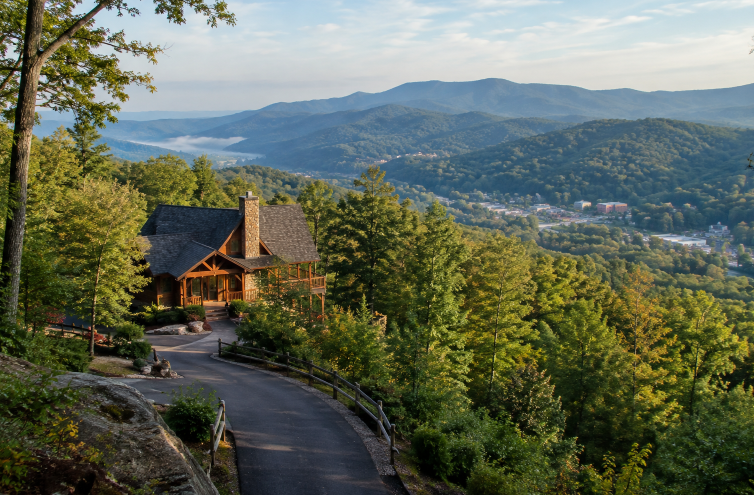
Views can change with the seasons as leaves fill in, nearby construction occurs, or trees grow. During a visit, consider sun exposure, neighboring homes, road noise, privacy, and the routes to groceries, restaurants, medical care, and daily errands. Ask to test cell coverage at the house, on the deck, and along the driveway, then confirm internet service directly with providers.
A cabin with a more modest view, paved access, strong connectivity, and a manageable drive may suit daily life better than a more remote property with limited services. Visit at different times when possible, including after rainfall, to understand noise, runoff, and road conditions.
Check Road Access and Driveway Conditions
Road conditions influence convenience, maintenance, emergency access, and buyer interest at resale. Determine whether the route is public, private, paved, gravel, or shared. Request recorded easements and any road-maintenance agreement, then find out who handles grading, culvert repairs, snow or storm cleanup, and payment collection.
- Drive the entire route in daylight, not only the final stretch to the house.
- Note steep grades, narrow turns, blind curves, bridges, and drainage crossings.
- Look for washouts, rutting, loose gravel, failing retaining walls, or standing water.
- Consider whether delivery trucks, guests, service vehicles, and emergency responders can reasonably reach the home.
Review Water, Septic, and Drainage
Many North Georgia mountain properties use private wells and onsite septic systems rather than municipal utilities. Request available permits, diagrams, pumping records, repair invoices, and information on the permitted septic capacity. Georgia’s onsite sewage guidance can help buyers understand why permits, site conditions, and system records matter.
A qualified septic professional can inspect the tank, pumps, lines, and drain field as appropriate. For a well, order a water-quality test and ask about the well’s location, production history, and equipment. Georgia’s private well information is a useful reference when reviewing ownership and maintenance responsibilities. Also, inspect how rainwater moves around the house, driveway, foundation, and lower portions of the lot.
Study the Land, Slope, and Improvements
Steep terrain can add character but also affect drainage, landscaping, parking, expansion plans, and repair costs. Look for soil erosion, exposed roots, shifting rock, water channels, or cracks near retaining walls. If property lines, access areas, or improvements are unclear, a survey may be worthwhile. Buyers considering a future garage, guest space, or additional structure should confirm buildable areas and applicable restrictions before assuming the land can support those plans.
Plan for a More Detailed Inspection
A general home inspection is important, but mountain homes may need additional specialists. Depending on the property, due diligence may include a septic inspection, well water testing, a wood-destroying insect inspection, a chimney review, a roof and foundation evaluation, radon testing, and an assessment of drainage, retaining walls, or the driveway.
Inspections do not guarantee that a home will never need repairs. They give buyers a clearer picture of the present condition, likely maintenance needs, and questions to resolve before contingencies expire.
Confirm Insurance, Financing, and Rental Rules Early
Request insurance quotes before the inspection period ends, especially if a home has an older roof, a wood-burning fireplace, a private road, a remote setting, a steep lot, or potential rental use. Coverage, deductibles, and lender requirements can materially affect the monthly ownership budget.
If rental income is part of the plan, verify the city, county, subdivision, zoning, deed restrictions, and homeowners association requirements for the specific parcel. Check possible registration, occupancy, parking, trash, noise, safety, and tax obligations. Online revenue estimates are not guarantees, so build a conservative budget that includes cleaning, utilities, repairs, management, insurance, and vacancy periods.
Compare Micro-Locations, Not Only Town Names
Two properties marketed as “Blue Ridge area” homes can offer very different experiences. Compare travel time, elevation, road quality, nearby services, privacy, water access, view protection, and neighborhood rules. Blue Ridge, Morganton, Mineral Bluff, Cherry Log, Ellijay, Blairsville, and Hiawassee each contain distinct settings. Revisit promising areas on a weekday, weekend, and rainy day when practical.
Build a Realistic Ownership Budget
Look beyond the mortgage payment. Account for property taxes, insurance, road fees, septic pumping, well service, water testing, tree work, heating and cooling, storm cleanup, internet, and property management if applicable. A reserve fund is especially helpful for roofs, drainage corrections, fallen trees, and other unexpected repairs on wooded or sloped lots.
A Simple Pre-Offer Checklist
- Define the property’s primary use.
- Review comparable sales and local conditions.
- Verify road access, easements, and maintenance duties.
- Request septic, well, and utility information.
- Confirm cell coverage and internet options.
- Obtain insurance estimates.
- Review HOA, deed, zoning, and rental rules.
- Inspect drainage, slopes, trees, and retaining walls.
- Include appropriate inspection and due-diligence contingencies.
Common Buyer Questions
Are mountain homes harder to maintain?
They can require added attention to driveways, trees, drainage, roofs, wells, septic systems, and weather-related repairs. The workload depends on the property’s condition, access, construction, and surroundings.
Is a mountain view enough to justify a higher price?
Not by itself. Compare the view with access, usable land, privacy, utilities, condition, location, and restrictions.
Can every cabin be used as a short-term rental?
No. Rental permissions and requirements can differ by jurisdiction, subdivision, and homeowners’ association, so buyers should verify rules before relying on projected income.
Conclusion
The best North Georgia mountain-home purchase balances emotion with practical research. A memorable view matters, but reliable access, functional systems, manageable costs, clear rules, and a location that fits daily life are what support lasting satisfaction. Use the checklist, ask detailed questions, and verify important details before moving forward.