






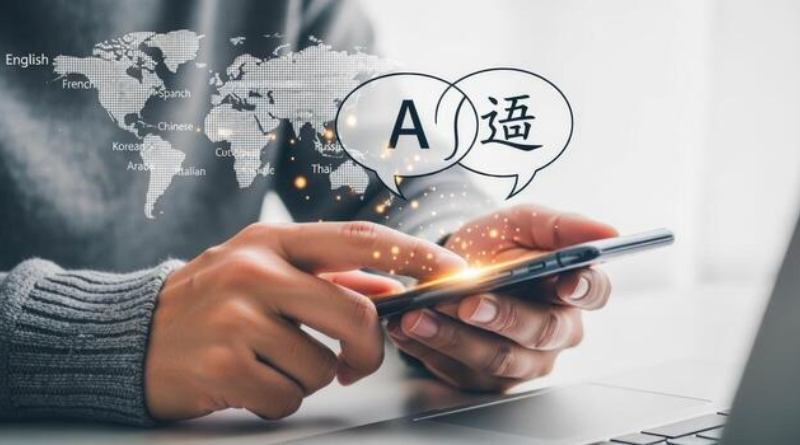
In today’s increasingly connected world, the ability to communicate across language barriers has never been more important. Image translation technology is fast becoming a key tool, providing instant understanding of visual text information, regardless of language differences. Platforms such as an image translator allow individuals and organizations to cross these boundaries efficiently, making information more accessible worldwide. Whether you are traveling abroad or collaborating with partners from other countries, this technology is revolutionizing the way we interact with visual content.
By utilizing innovations in artificial intelligence, image translation bridges gaps that were once difficult to overcome. With just a smartphone, users can now decipher signs, documents, or any image-based text content encountered in their daily lives. This shift is creating more equitable access to knowledge and fostering a greater sense of global community as language ceases to be a barrier in crucial moments.
As we integrate image translation into more aspects of personal and professional life, its influence extends beyond convenience. It enables businesses to expand into new markets, assists educators in delivering inclusive lessons, and ensures timely public health communication in emergencies. The ease and speed of these translations help bring people together and streamline global operations.
Still, while the benefits are obvious, image translation faces technical and ethical challenges that must be addressed as the technology matures. Ongoing advancements in AI will play a significant role in overcoming these obstacles, shaping a future where linguistic differences are less of a barrier to interaction and understanding.
Understanding Image Translation Technology
Image translation is the process of converting text within images from one language to another. This is accomplished through a combination of Optical Character Recognition (OCR) and machine translation. OCR identifies and extracts written characters from an image, after which sophisticated translation algorithms interpret and convert the text into the target language. This allows for information contained in images, such as street signs or product labels, to be seamlessly understood by people who speak different languages. The practicality and effectiveness of image translation have advanced rapidly, driven by advances in computer vision and natural language processing. As noted by TechTarget, the ability to transform visual content has made it easier for people worldwide to access essential information in real time.
Applications of Image Translation
The flexibility of image translation technologies means they can be adopted broadly across many industries. In the tourism sector, travelers often encounter menus or street signs in languages they do not understand. Using their smartphones, they can instantly translate text and navigate unfamiliar environments with confidence. In education, teachers and students can remove linguistic barriers that formerly restricted access to resources, promoting inclusivity. Businesses benefit by adapting packaging, user manuals, and marketing materials for new markets, driving international expansion and ensuring compliance with local regulations. Public health officials use image translation to distribute clear and timely public service announcements during global health emergencies, protecting vulnerable populations who may not speak the dominant language.
Benefits of Image Translation
Image translation brings several significant advantages. Most importantly, it bridges language gaps, facilitating interaction and information sharing on a global scale. The process is far quicker and more affordable than manual translation, especially in time-sensitive situations like travel or health communications. As applications are typically mobile-based, users enjoy the convenience of translating images anytime and anywhere. Continual advancements in language AI and machine learning have also reduced common errors, thereby increasing reliability. These improvements make digital translators more reliable across a wider range of languages and dialects.
Challenges in Image Translation
Despite its many benefits, image translation technology is not without limitations. The greatest challenge is in grasping the context, nuance, and idiomatic expressions of a source language, which machine models often struggle to replicate faithfully. Images with handwritten or stylized fonts can be difficult for OCR to interpret accurately. Moreover, quality can drop if the original image is blurry or poorly lit. Another concern is ethical: responsible data use and the elimination of bias in training algorithms are top priorities. Ensuring that translation tools are secure and equitable for every user is an ongoing goal for developers and organizations alike.
Future Prospects of Image Translation
The growth of artificial intelligence promises to address many current challenges in image translation. As machine learning models become more sophisticated, they will better capture contextual meanings and translate a broader range of global languages. Integration with augmented reality could offer immersive experiences, such as overlaying translated text directly on physical objects. As these tools become more precise and accessible, image translation is poised to play a vital role in global communication, fostering improved understanding, inclusion, and connectivity between people worldwide.